Archives
All the articles I've archived.
Decision Models Are Vulnerable
Repeating words, or injecting irrelevant facts to decision models can lure them.

The real reason I wanted coffee
Everyone dies, so I'd rather spend the time avoiding whatever I don't want to do. A post about boot camp, poker, and why the thing I was actually thirsty for was freedom.

Can you make your own luck?
Naval Ravikant splits luck into four kinds. Only the first one is truly random, and the other three can be trained like a skill.

Why even wrong ideas are worth keeping
Hasok Chang's Is Water H2O? shows chemistry moving forward by combining right hypotheses with wrong ones. That habit has a name, pluralism, and it's the same idea behind mental models and Charlie Munger's latticework thinking.

Something more important than winning
Peter Thiel's talk on why competition is for losers, and why choosing the right game matters more than being good at winning the one everybody else picked.

Why resting makes you less happy
A Harvard study pinged 5,000 people at random moments and found they were unhappier lying around than working. What made them happy wasn't a pleasant thought, but no thought at all.

Let your unread books pile up
My unread pile grows faster than I can read it, and after three passes through one book I stopped treating a shelf of finished books as knowledge I own.

How to be better than a honeybee
A bee that can't describe what it found dances nonsense anyway, and so do people who answer every question with confidence. Here's how to say only what you actually know.

Why the best explanation isn't the most accurate one
An explanation is judged by whether the other person understood it, and buying that understanding usually costs you some precision.

You don't need to predict the future
A paper on how founders think splits reasoning into two kinds, and the second one builds the future instead of forecasting it.

Why don't we have flying cars yet?
Aswath Damodaran sorts ideas into possible, plausible, and probable. Only the last one comes with a number, and that's the test most ideas fail.
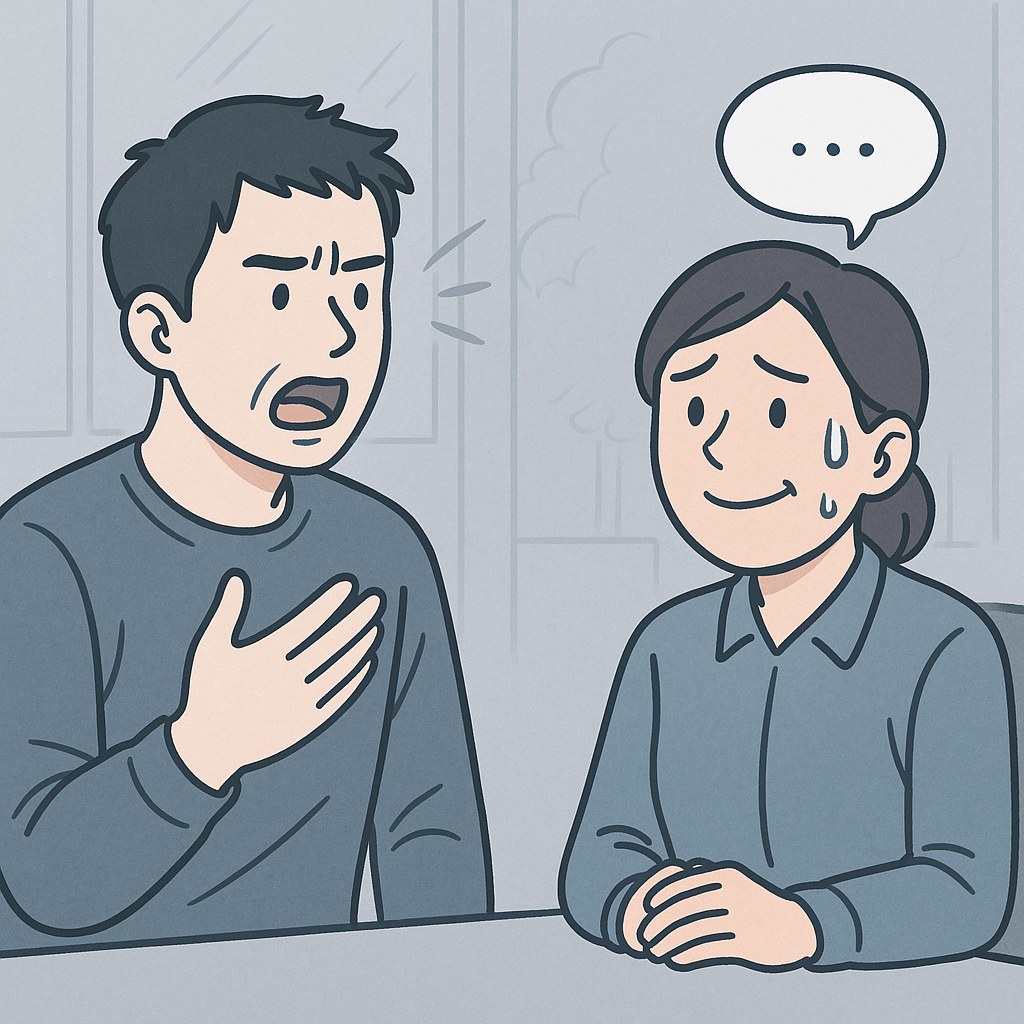
Empathy isn't repeating what they just said
Parroting someone's last words kills the conversation. Complex reflection, a careful guess at what sits behind what they said, is what makes people feel understood.

Why does Sam Altman switch notebooks every two weeks?
Working memory holds about three new things for about thirty seconds. Writing is how you get past that limit, and how you keep readers from hitting theirs.

Can't stop checking your phone?
We drop long games because the payoff sits too far away. Cutting them into short games with small rewards is what keeps you in them.

Six words are all you need for empathy
Chase Hughes says everyone wants one of six things, and naming the right one is what makes people feel understood.

The questions that steal an expert's know-how
Gary Klein's Critical Decision Method turns a vague gut feel into two questions anyone can ask.

I picked the worst possible pen name
My pen name loses on Google to a manga character and a decade-old scandal, so I'm giving it up.

How to steal an expert's gut feel
Gary Klein's Recognition-Primed Decision model explains how experts read a messy situation in seconds, and how you can train the same habit.

What losing 3 million won on P2P lending taught me
Philip Tetlock's three patterns of closed thinking, the politician, the preacher and the prosecutor, and the fourth job that gets you out of them.
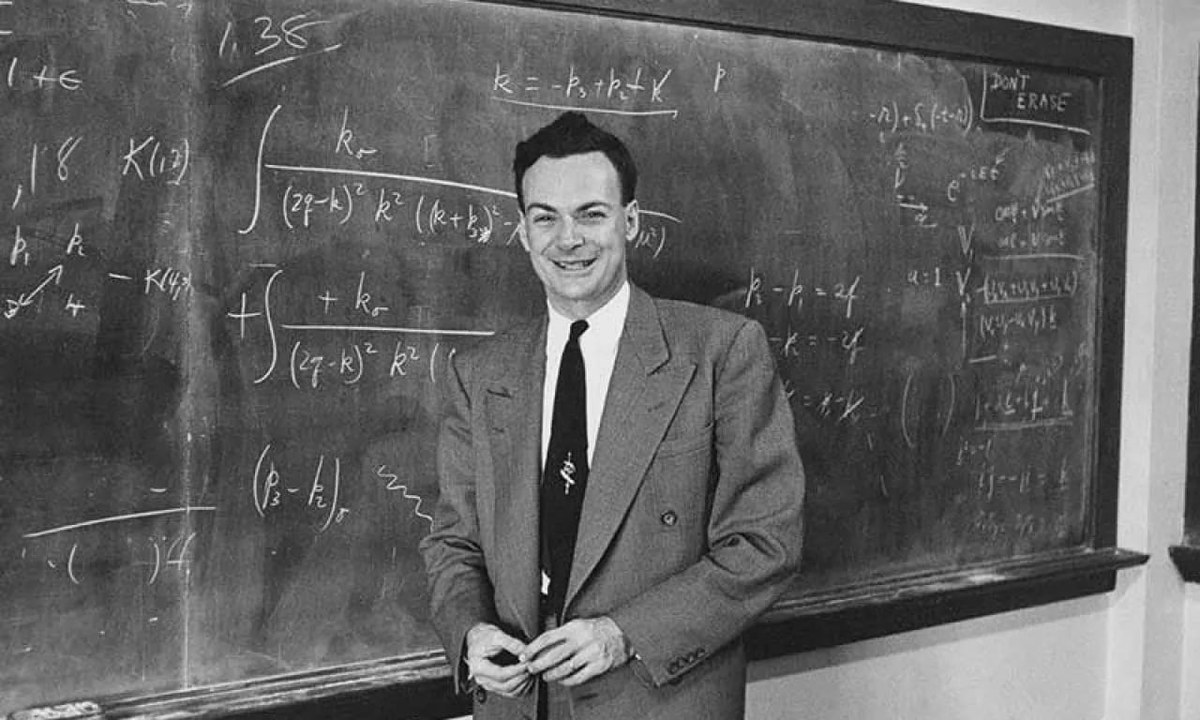
The Feynman technique: write it out and see what you don't know
Richard Feynman's four-step study method, why it works on memory, and how writing catches the knowledge you only think you have.
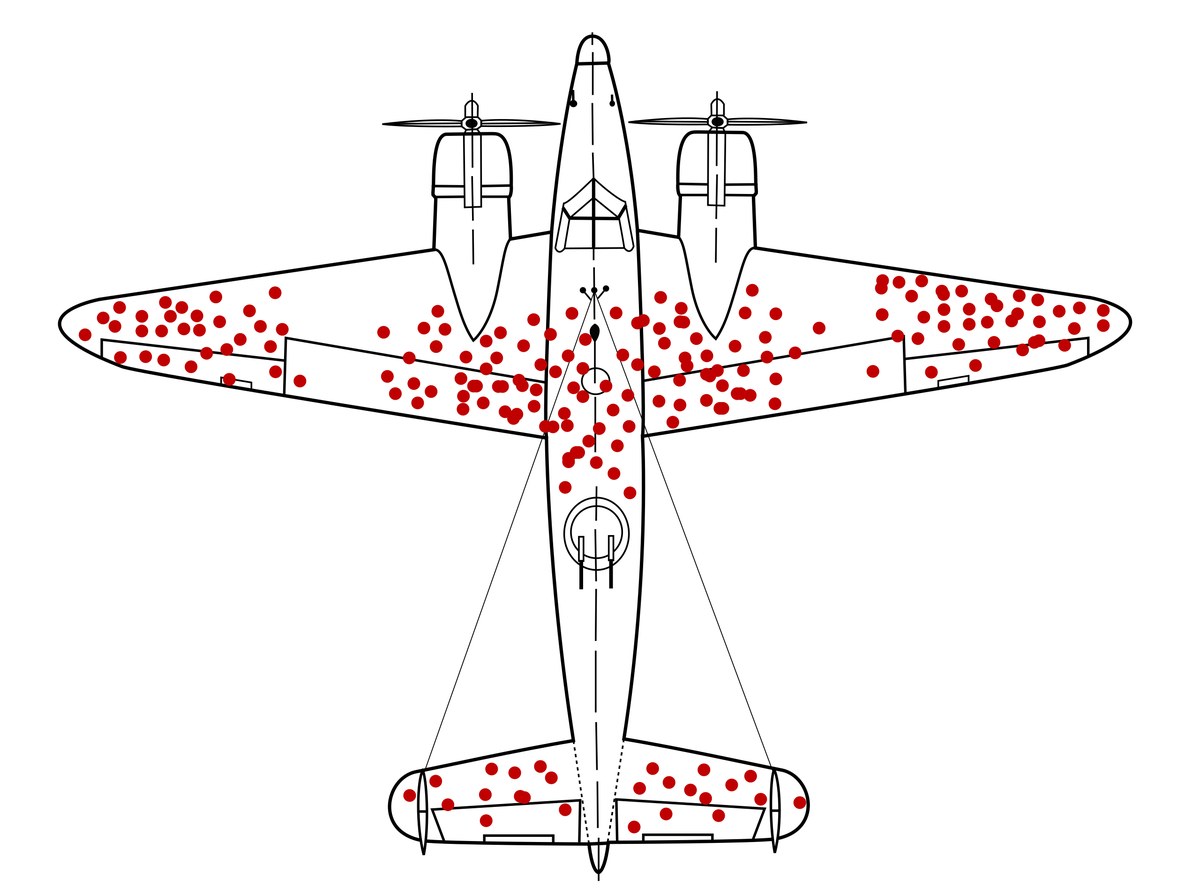
What matters more than the survivors
The bombers that never came back hold the answer. How survivorship bias works, and what to ask before you judge from the data in front of you.

Unknown unknowns and last week's lottery numbers
Rumsfeld's unknown unknowns and Bezos's 70% rule. Some decisions are worth slowing down for, and the rest lose their value while you wait.
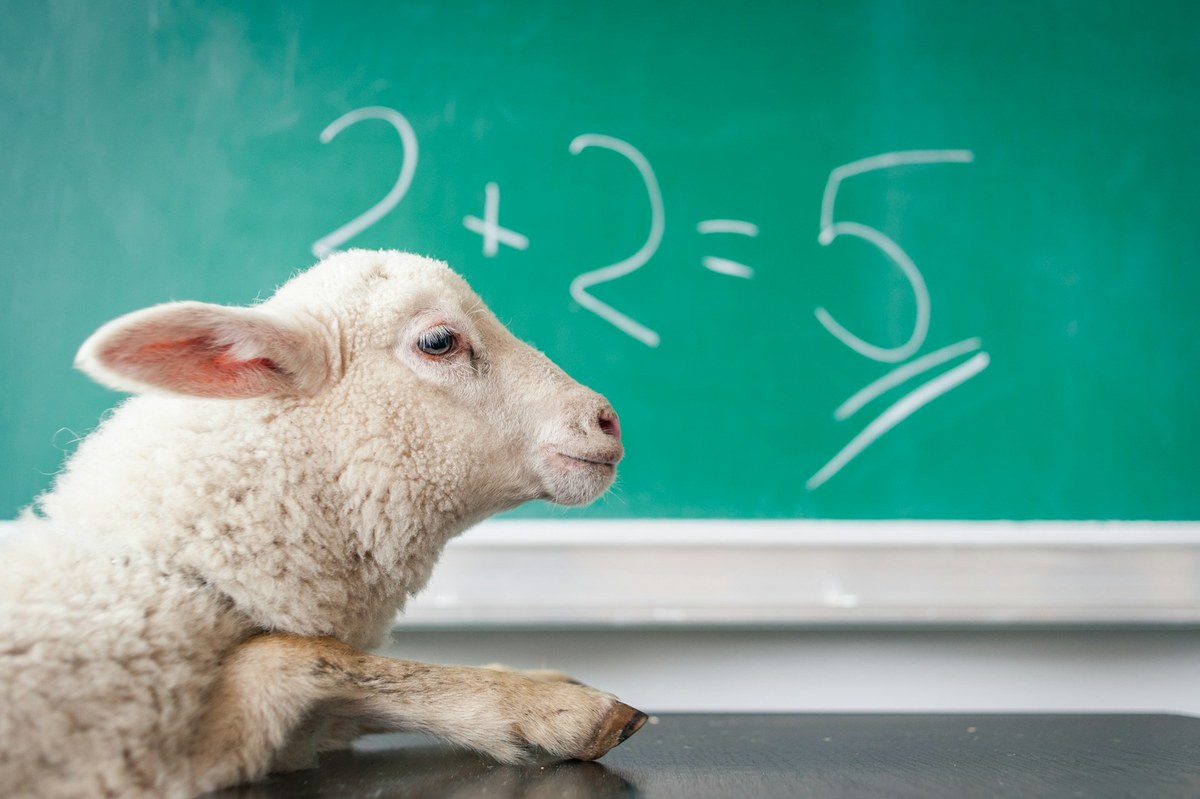
The 2-4-6 rule that 96% of people get wrong
Wason's rule-finding experiment shows why stacking up supporting evidence never proves you right, while a single counterexample can prove you wrong.

How to dodge bad advice, from a Wharton professor
You can't judge advice on a subject you don't know, so judge the adviser instead: does he want you to do well, does he know the field, and does he know you?

What if your brain stops and you never notice?
Certain words and certain people trip a breaker in your head that shuts your thinking off, and you can learn to catch it and switch it back on.

Why the teacher remembers and the students forget
Retrieval and deep encoding are what make anything stick, and writing happens to be the easiest way to do both.

Are you Planck, or his driver?
Charlie Munger's story about Max Planck's chauffeur, and why depth of knowledge is what carries you through the questions you never rehearsed.

Unrestricted Warfare: how a startup beats a giant
Qiao Liang's Unrestricted Warfare, Gramsci's war of position, and what Charlie Munger's latticework says about a small company taking on a large one.

You can't draw a doorknob
Try sketching a doorknob from memory and you'll see how thin your model of the world is, and why forecasts keep missing.

I quit my job and blogged for a year
Post 51. Why I walked out of a developer job to study thinking and persuasion, and what a year of writing every Sunday did and didn't give me.

How to write a story that always lands - 4
Fatigue and skepticism stop most stories before they start, and this last post in the series covers the three emotions and four narratives that get past both.

Why stories beat logic - 3
Your worldview decides how you act, and a story you fall into rewrites that worldview, which is how Edward Bernays turned cigarettes into torches of freedom.
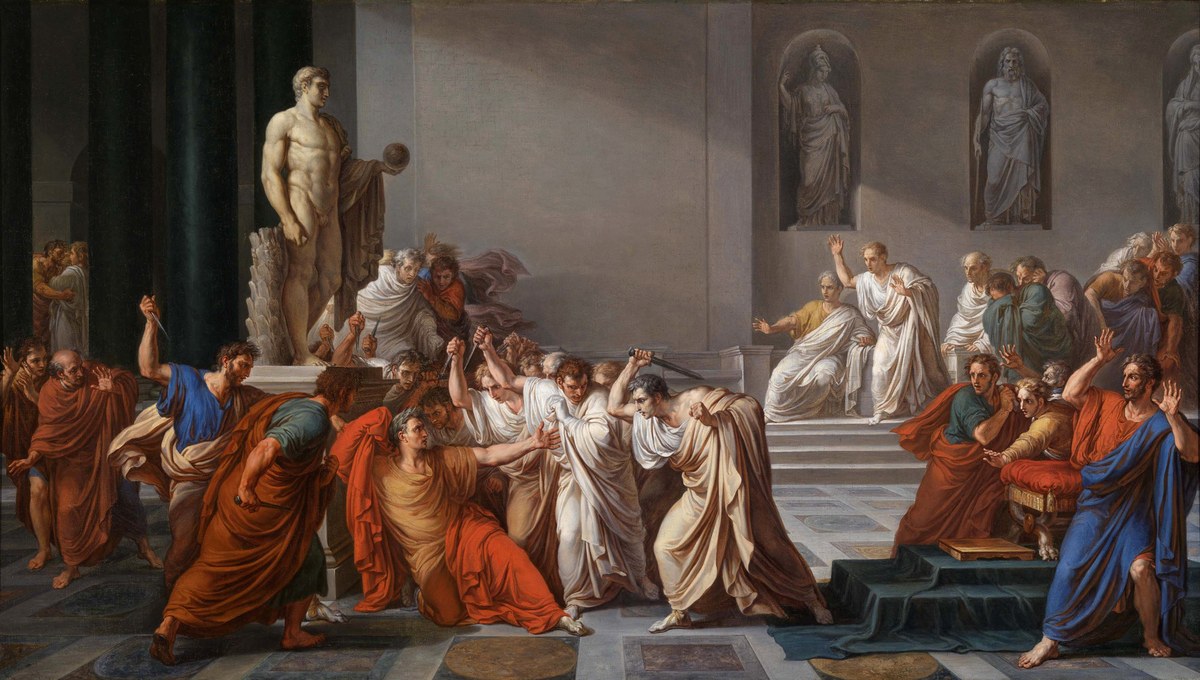
How to build a story that moves people - 2
Every story runs on one pattern, someone did something and it turned out well or badly, and this post takes that structure apart to show why it works.

How a rumor nearly took down McDonald's - 1
A made-up story about worm patties dented McDonald's sales for forty years, and this first post in the story series explains why stories get to us at all.

The patterns hiding in a piano, winter, and the lottery - 2
The last three of the seven relationships that explain the world: oscillation, trend, and independence, and what each one is good for.

What a phone, a macaron, and the universe have in common - 1
The first four of seven quantitative relationships that run through everyday life, and the lesson each one hands you.

Why Ray Dalio's Principles is hard
Dalio tells you to be a hyperrealist and moves on, so here are the two things that stop you: your desires and your guesses.

Why inefficient teams are the ones that survive | The Righteous Mind, part 4
The second half of The Righteous Mind, on the two feelings that bind people into a group and why costly, pointless-looking rituals keep it alive.
The moral instincts that move people, part 2 | The Righteous Mind 3
The last three moral foundations from The Righteous Mind, updated with research through 2024: authority, liberty, and purity.

The moral instincts that move people, part 1 | The Righteous Mind 2
Six of the nine moral foundations from The Righteous Mind, updated with research through 2024: ownership, care, equality, proportionality, loyalty, and honor.
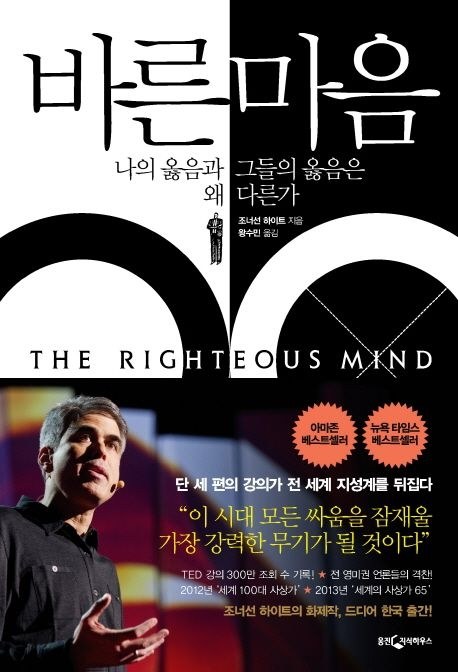
How to understand people who seem crazy | The Righteous Mind 1
A review of Jonathan Haidt's The Righteous Mind, updated with research through 2024, starting with why moral judgment is a feeling before it is an argument.

The motivational interviewing style that gets people to open up
Motivational interviewing has a formula for the two hard parts of a conversation: open questions that pull an honest answer, and complex reflection that shows the person you understood them.

I got picked as a Millie's Library Book Master
What Millie's Library asks of a Book Master, what the weekly job involves, and the perks that come with the badge.

The Blackpink way of talking that gets you close to anyone
Questions that trade feelings and vulnerability, plus responses that empathize and support, are what turn a stranger into a friend. A Blackpink lyric happens to say the same thing.

How to win someone over when you talk
Thirty questions turned strangers into friends in an hour. The book Supercommunicators explains why, and this first part is about hearing what the other person actually wants from a conversation.

Write the rules before your resolve wavers
A three step method for building decision rules that hold when your own judgment wobbles: settle the plan before you act, state its intent, and name the assumptions that would break it.

The psychology behind why cutting your stock losses is hard
A behavioral economics paper on why we set a rule and then break it. We judge by one standard when we plan and a different one when we act.

Speed reading that actually works, checked against the research
Three standard speed reading tricks that the research kills, three that survive it, and how to build the reading muscle underneath them.

The reading method that never fails
The four-step method in full: record, summarize, connect, repeat, and why counting the books you finished is the wrong scoreboard.

What if you read ten times faster?
Anne Jones read the last Harry Potter in 47 minutes, but the speed worth training is how fast you can put a book to use.
Five techniques that make your writing stronger right away
Five techniques from Mentalist DaiGo, folded into a three-stage process you can run on whatever you are writing today.
Three strategies that shake a reader
Desire, relationship, and difference: three strategies from Mentalist DaiGo for writing that moves a reader instead of just informing one.

You don't write to be read
The first of three posts on Mentalist DaiGo's book on persuasive writing: we write to make people act, and the thing that does the moving is imagination.

The limbic system: three ways to make money
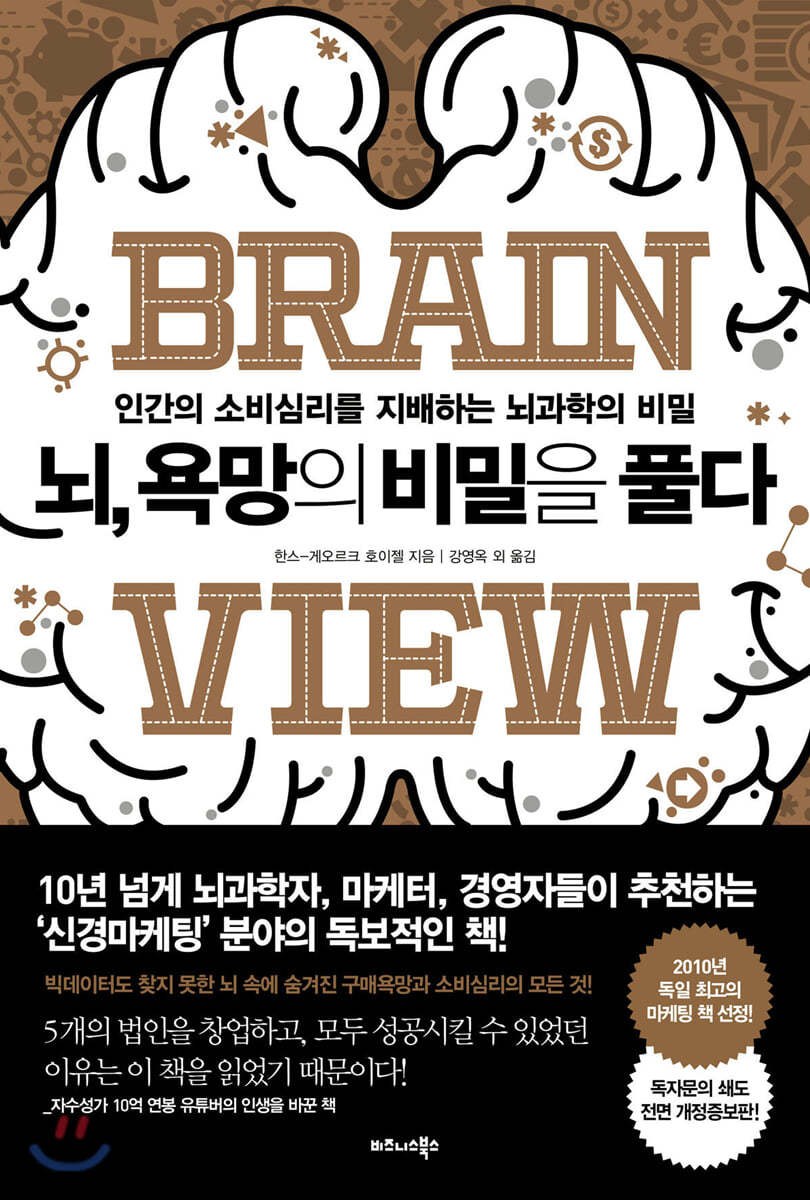
The three emotion systems in Brain View, stability, stimulation, and dominance, and how the one a person runs on decides what they buy.
I found the best brain science book - 2
Why memory keeps the experiences you felt something during, how those get filed as patterns that run you without asking, and what changes when you reinterpret one.
I found the best brain science book - 1
Brain View argues that emotion drives learning and decisions, and this first post covers why emotion exists at all and how it turns into the motives behind what you do.

Revise this way and the writing comes alive
The rest of the four-step revision method: read like a reader, name what feels off, write alternatives and pick one, and know when to stop.

Do I really have to revise?
Why revising is what makes writing easy, and why the first thing you revise is not a sentence but the thinking behind it.

Three ways to get people to read your writing - 3
Momentum, part 3: readers run out of attention halfway, so space the interesting bits closely and become the good kind of attention seeker.

Three reasons a reader falls into a piece of writing - 2
Momentum, part 2: give the reader a reason to care and shake up an emotion, the two ways to start something people actually finish.

How to make any piece of writing interesting
Momentum, part 1: a reader is a car going uphill, and a piece that stops pressing the pedal loses them.
The strategy that beats the average every time
Decision-making series 3: the Martingale strategy looks unbeatable and bankrupts you anyway. The three mistakes to avoid when you can't know the odds.

The success equation for knowledge and confidence
Decision-making series 2: the Kelly criterion says your return can never beat the accuracy of your information, so bet in proportion to what you actually know.
Why studying more makes you dumber
Decision-making series 1: more information didn't make expert racing analysts any more accurate. It only made them more sure they were right.

One question that kills fear
Fear is what drags you back into a fixed mindset. One question pulls you out of it, and it works on the way out of a bad day too.

How to live doing only what you're good at
Three ways to work your circle of competence: map it honestly, build it deeper instead of wider, and pay someone else for everything outside it.

How to negotiate with nonviolent communication
Three everyday uses for nonviolent communication: leading a negotiation with empathy, thanking someone so they feel it, and turning work you resent into work you chose.
Resolving conflict with nonviolent communication
Nonviolent communication splits a position into four parts, observation, feeling, need and request, and that structure is what turns a fight into something you can settle.
Good writing always has a purpose - 1
Every piece of writing exists to change its reader in one specific way, and writing that change down as a single sentence gives you the purpose statement.

How to persuade in two words
The second half of Blair Warren's course cuts persuasion down to two words, validate and fascinate, and explains why correcting someone always backfires.
How to persuade in one sentence
Blair Warren's entire persuasion course fits into a single sentence with five parts, and The Secret sold 35 million copies by using every one of them.
Three ways to avoid a bad book
The three filters I put a book through before I trust it: whether the author is writing inside their own expertise, whether the claims have evidence, and whether the writing is clear.

Why you shouldn't blindly follow your gut
Your gut is fast, and it stops at the first result. Second-order thinking asks 'and then what?' so you can see the second and third-order results coming.
Why you should never stack side jobs
Charlie Munger said knowing what you don't know beats being smart. Your circle of competence is the ground where you hold the advantage, and every side job outside it is a game stacked against you.

The way of reading only good writers know, part 2
A line by line read of the apology Lee Jae-yong gave during the MERS outbreak, showing how its order does the work: emotion first, reason second, sympathy for the doctors last.
The way of reading only good writers know, part 1
Reading a lot doesn't make you write better, because you read for content. The fix is to read for structure: underline the lines that do something to you, then work out why.

The speech that sent us to the moon
John F. Kennedy's September 12, 1962 speech, and the line about choosing a goal because it's hard rather than because it's easy.

Three secrets of a title you can't scroll past
The three moves behind titles that pull a million views: take a subject the reader already cares about, get specific, and never hand over the answer.

Two secrets of writing with rhythm
Short sentences for speed, long ones for weight, and a turn that breaks what the reader expects. How to write a piece that reads like a rollercoaster.

Writing is either explanation or experience
Two structures cover everything you will ever write: PREP when you are explaining something, and ki-seung-jeon-gyeol when you want the reader to feel it.