This follows on from the last post, How to steal an expert’s gut feel.
How to steal an expert’s gut feel - the RPD (Recognition-Primed Decision) model
A few days later, the call my senior made that day came back to me.
We were looking at the same error screen, so why was I lost while he could see why it broke?
He called the reason a ‘gut feel.’ What is a gut feel? This kind of knowledge, also called know-how or tacit knowledge, is knowledge you clearly have but can’t put into words. It’s exactly where an expert’s skill and value sit. Can you actually pull that out of an expert?
Today I’ll look at how to extract the know-how an expert can’t put into words.
Reality doesn’t fit inside rules
When we’re fixing a company server that just went down, or saving an emergency patient bleeding all over the floor, we don’t run through every piece of knowledge one at a time. Instead we pull up past memories close to the situation and map them onto it. The three steps of that process, spot, search, and imagine, are the RPD model I explained last week.
The RPD model shows how to use experience to find a way through a complicated situation. Gary Klein, the American psychologist who developed it, also built the Critical Decision Method, a methodology for extracting the skill behind a decision.
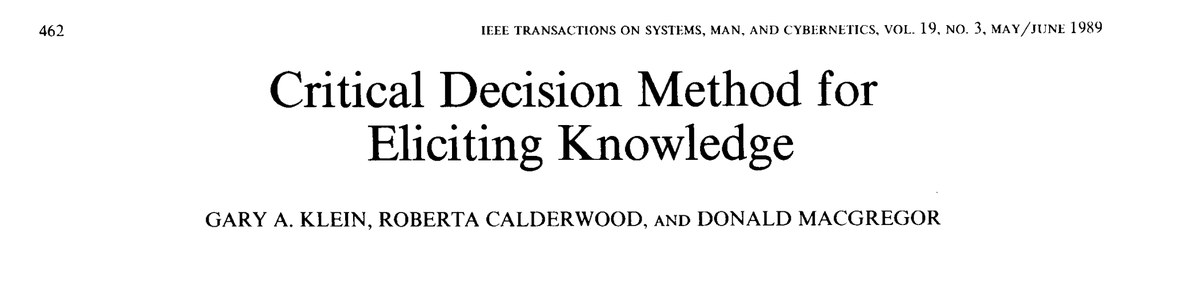 The paper Critical decision method for eliciting knowledge
If you can replay an expert’s decision process, can’t you learn the intuition and the know-how?
Why didn’t you do it differently?
CDM is a technique for walking back through an expert’s judgment piece by piece and analyzing the experience and the logic hiding behind the intuition. If the RPD model explains what goes on inside an expert’s head, CDM is closer to a way of making them explain it. It’s how you get at what gut feel, or know-how, really is.
CDM is repeating two questions: ‘Why did you judge it that way?’ and ‘Would you have judged the same way in a different situation?’ You can also summarize it as three steps: decision, reason, alternative.
Want practical tips that make you a little smarter every week?
I cover persuasion, marketing, writing, and the other skills modern life demands.
Subscribe now and get notified when a new post goes up!
The CDM method: decision - reason - alternative
As an example, say we’re pulling the situational judgment out of an experienced, skilled firefighter.

- Decision: recall the moment you decided
You have to bring back the moments where you made a decision in the situation. For a firefighter, that could be the moment they decided not to go into a high-rise to fight the fire.
- Reason: think about why you did that
Freely recall what you drew on when you decided: the information, the judgments, the experience. The paper recommends the questions below as good examples.
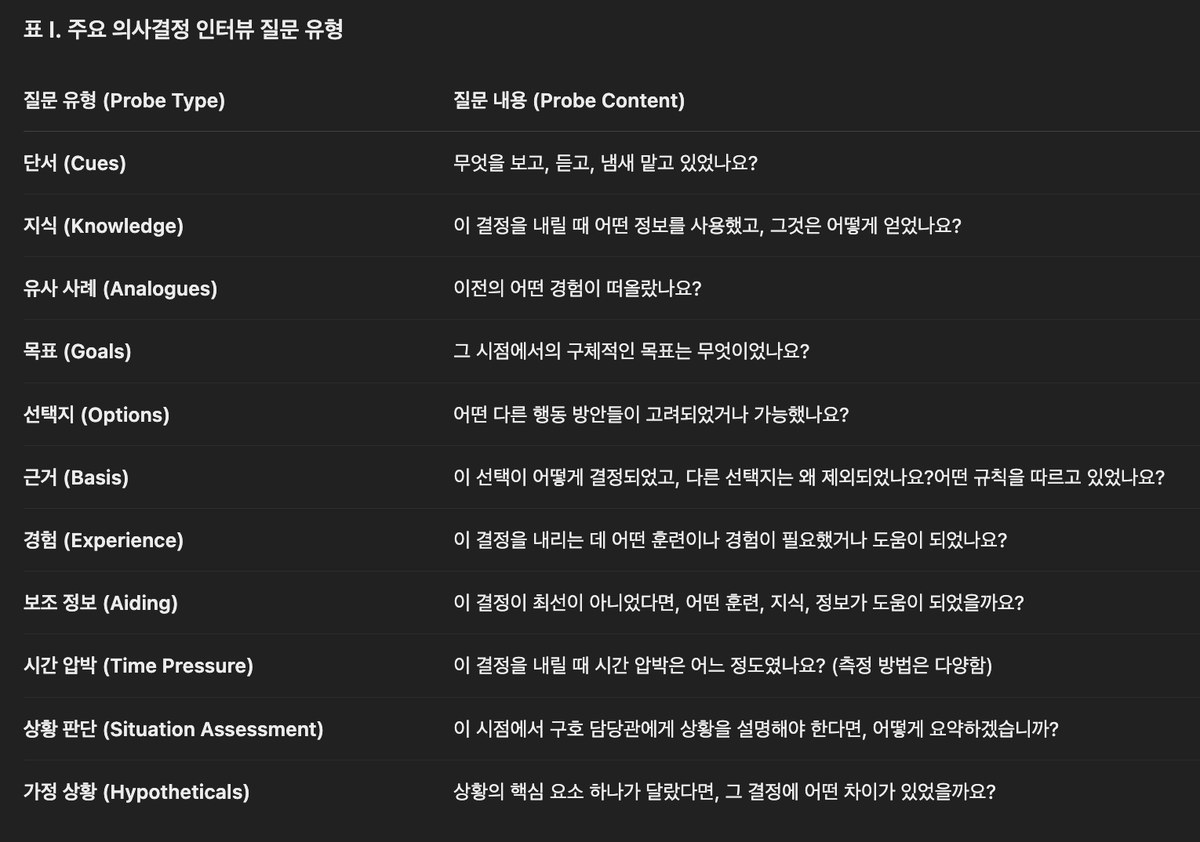 Example questions for finding the reason behind a decision (translated from the paper)
In the firefighter example, this is recalling what went through their head when they decided not to enter the burning building. The observation that the inside of the building looked unstable, the goal that everyone had already been evacuated, a similar case where someone went in and got hurt.
- Alternative: check whether the decision changes under different conditions
Last, to learn how the different variables that produced the decision actually work, you have to watch whether the decision changes when the conditions change. That’s what exposes the various factors hiding behind an expert’s ‘gut feel.’
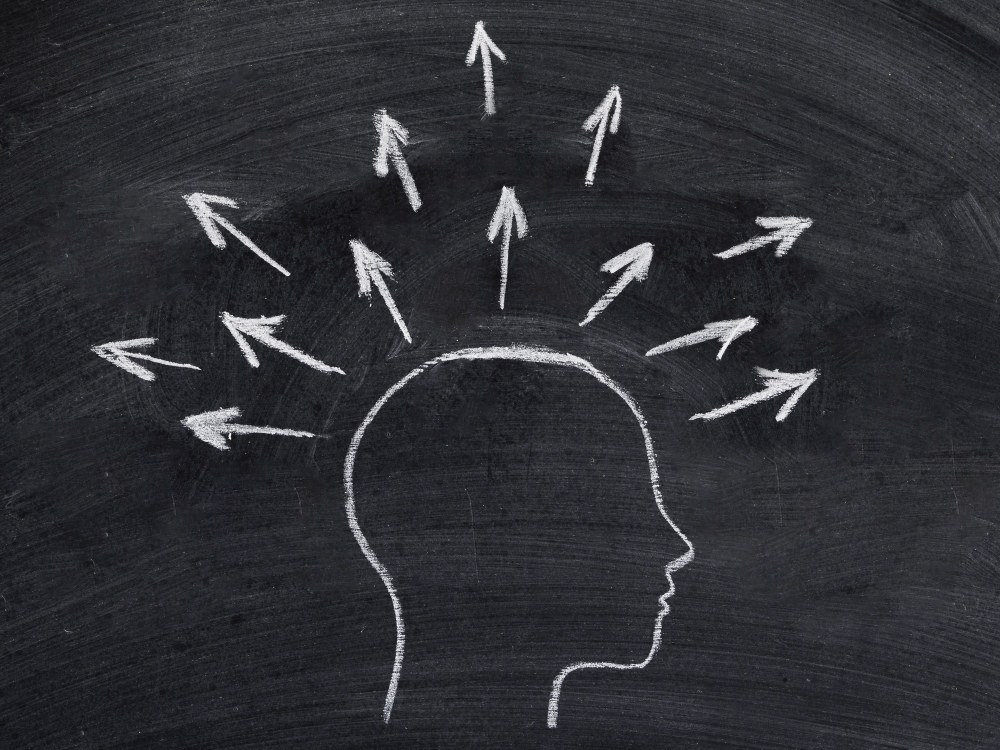
What if the fire had been in a single-story building instead of a high-rise? An experienced firefighter might have decided the collapse risk was low and gone in. Or if the building had been downtown, they might have gone in fast to stop the damage spreading. Changing the conditions like this and watching whether the decision comes out differently is how you find the real variables in a decision. An earlier post described knowledge that holds up across variables like these as deep knowledge, and the kind worth going after.
Opening up someone’s head
Ask in this order, decision then reason then alternative, and you’ll surface decision criteria the expert doesn’t know they have. To sum up, CDM is a tool for opening up an expert’s head. Two questions, ‘Why did you judge it that way?’ and ‘Would you have judged the same way in a different situation?’ turn an expert’s know-how into knowledge. Once it’s knowledge, you can make it yours whenever you want.
P.S. As I explained in the series on reading ten times faster, knowledge exists to solve problems. Use CDM and a vague ‘gut feel’ becomes concrete knowledge, which solves more problems.
References
Want practical tips that make you a little smarter every week?
I cover persuasion, marketing, writing, and the other skills modern life demands.
Subscribe now and get notified when a new post goes up!
You might like these too!