Hi, I'm Chris Park
RSS FeedI'm Chris, SW Engineer, Entrepreneur, Builder and more with 6+ years of experience. Previously led: Facial AI, Major Polygon NFT, Viral Platforms with 200M Peak DAU and more.
NeverBeenAsked.com is where I keep my ideas. Perhaps wrong, but unique at least.
Recent Posts
Decision Models Are Vulnerable
Repeating words, or injecting irrelevant facts to decision models can lure them.
The real reason I wanted coffee
Everyone dies, so I'd rather spend the time avoiding whatever I don't want to do. A post about boot camp, poker, and why the thing I was actually thirsty for was freedom.

Can you make your own luck?
Naval Ravikant splits luck into four kinds. Only the first one is truly random, and the other three can be trained like a skill.

Why even wrong ideas are worth keeping
Hasok Chang's Is Water H2O? shows chemistry moving forward by combining right hypotheses with wrong ones. That habit has a name, pluralism, and it's the same idea behind mental models and Charlie Munger's latticework thinking.

Something more important than winning
Peter Thiel's talk on why competition is for losers, and why choosing the right game matters more than being good at winning the one everybody else picked.
Why resting makes you less happy
A Harvard study pinged 5,000 people at random moments and found they were unhappier lying around than working. What made them happy wasn't a pleasant thought, but no thought at all.
Let your unread books pile up
My unread pile grows faster than I can read it, and after three passes through one book I stopped treating a shelf of finished books as knowledge I own.
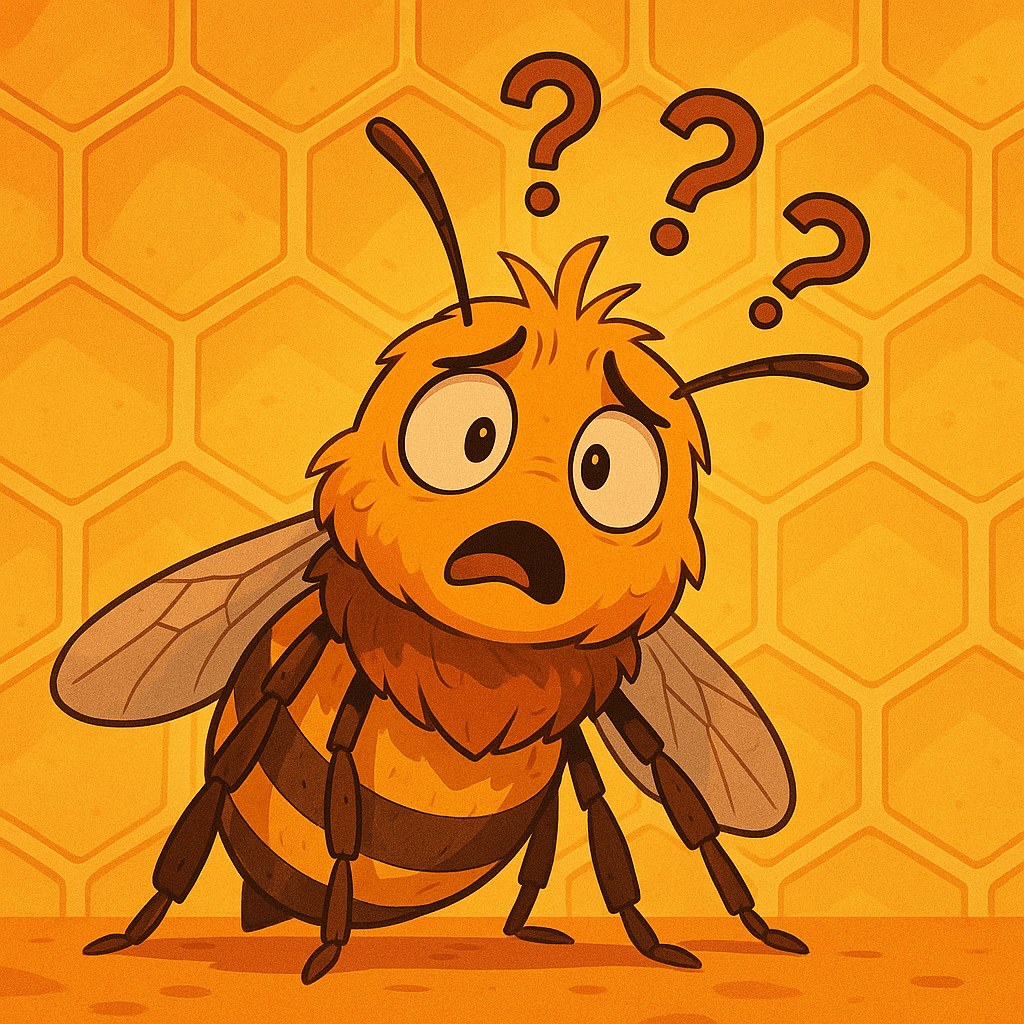
How to be better than a honeybee
A bee that can't describe what it found dances nonsense anyway, and so do people who answer every question with confidence. Here's how to say only what you actually know.
Why the best explanation isn't the most accurate one
An explanation is judged by whether the other person understood it, and buying that understanding usually costs you some precision.
You don't need to predict the future
A paper on how founders think splits reasoning into two kinds, and the second one builds the future instead of forecasting it.