I recommend reading The Righteous Mind review in order.
Part 1:
If you’ve ever asked these questions, here are the answers.
Why do I keep clashing with other people?
What values make other people act the way they do?
What does the world I want look like?
The last post covered the moral sense, the urge to pursue what’s right, and how it works as an instinctive emotion.
But what feels right differs from person to person. That’s where our conflicts come from.
Still, learn the nine moral emotions The Righteous Mind lays out and you can understand other people.
If you’re a manager or a leader who has to settle conflicts and pull people together, the nine are worth committing to memory.
I’ll explain them more simply than the book does.
The nine moral foundations
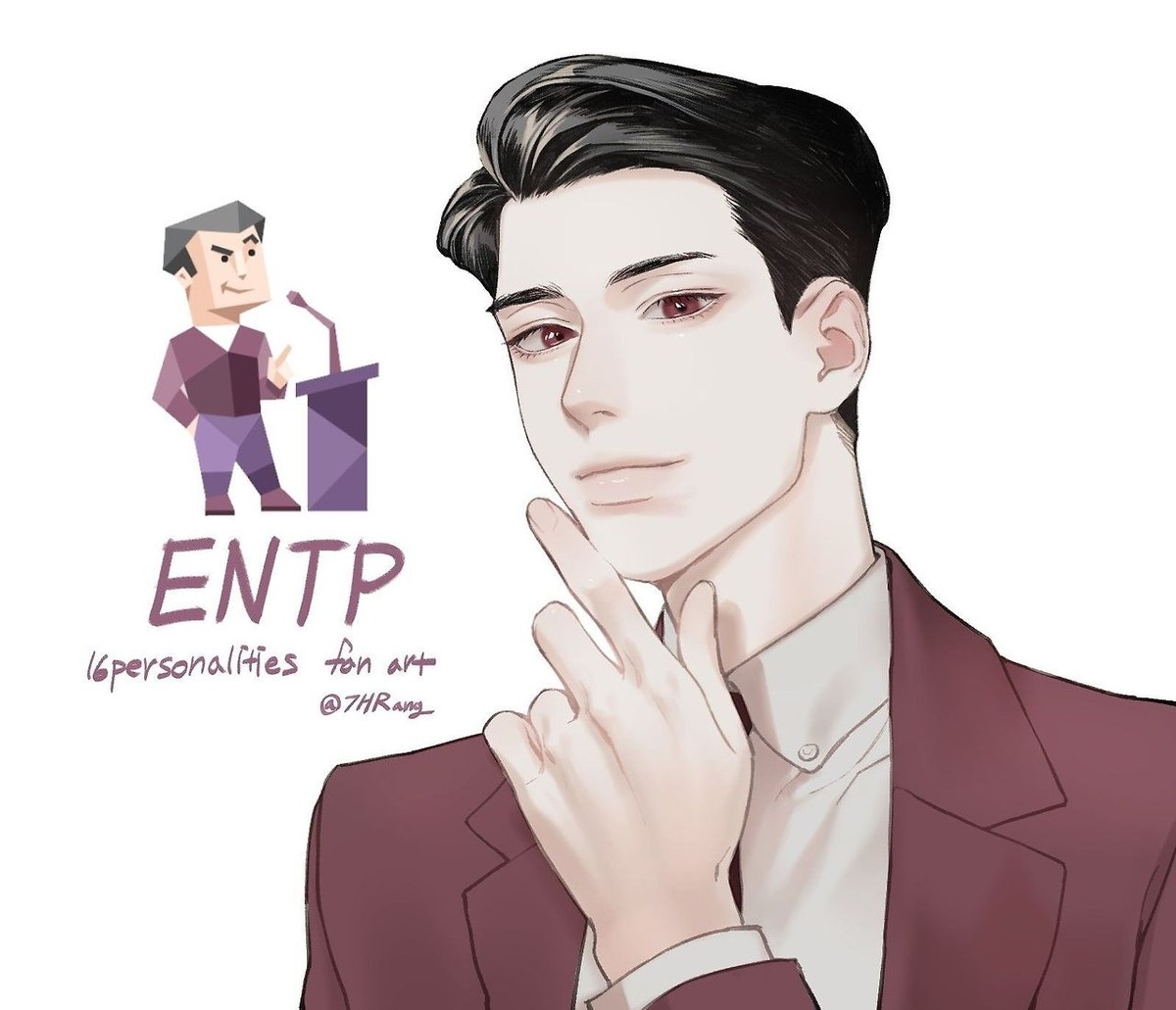 I’m an ENTP, though I don’t look like this. Source: @THRang
These days the first thing people ask when they meet you is your MBTI, right?
MBTI sorts people into 16 types using four personality factors. Moral taste has something in common with that. Just as personalities differ, the values each person weighs heavily differ. Understanding personality makes dealing with people easier. Learning moral taste makes relationships easier.
First, moral taste measures people along several dimensions, the way MBTI does. There are nine of them. The book calls them moral foundations: care, equality, proportionality, loyalty, authority, purity, liberty, honor, and ownership. Six of them were in the book when it came out, and later research turned up three more candidates (liberty, honor, ownership). All nine are cross-cultural, and all of them set off instinctive emotional reactions.
Second, with personality traits and moral foundations alike, the difference is one of degree. Most people carry all nine. East Asians, for example, weigh loyalty and purity more heavily than Westerners do, but hold the rest at similar levels. The same goes for the political left and right, which I’ll come back to later. Nobody picks one foundation out of nine and follows it. Everyone has all nine, and only the mix varies.
So working with people unlike you starts with understanding the nine. There are a lot of them, so I’ll pair up the related ones to make it easier.
1&2) Distribution: “ownership” recognizes property, “care” protects the weak
Care: the weak must be protected.
Ownership: what belongs to each person must be protected.
How should our society distribute its goods?
You have to protect what people already hold, and you also have to help someone who’s starving. Those two feelings belong to the “ownership” and “care” foundations.
 Some animals care for their young the way people do.
“Care” is the foundation we know best. Humans are mammals, so we attach to babies and feel other people’s pain on instinct. It doesn’t have to be a person, either. Look at a harp seal and you want to protect it.
“Ownership”, on the other hand, is the feeling that recognizes each person’s property. Some animals have it too, and it shows up across human societies. Recognizing property rights matters a great deal for a society’s development. (see Capitalism Without Capital)
Owning something means distributing it first, so how should the distribution work? People cooperate only when it’s fair, so what does fair mean? Let’s look at two kinds of fairness.
3&4) Fairness: “equality” makes everyone the same, “proportionality” pays what you put in
Equality: it’s fair when everyone gets the same.
Proportionality: it’s fair when you get what you contributed.
The book lumps equality and proportionality together and calls the pair fairness, leaning a little closer to equality than to proportionality. That struck me as odd while I was reading.
People perceive care in much the same way, but fairness lands differently for each of us. Some call it fair to receive in line with your effort. Others call it fair when everyone enjoys a certain amount. That’s why so many politicians shout about fairness at election time while each of them means something different by it.
 Not knowing the moral foundations can cost you a mayor’s office. (source: MBC News)
Fortunately, follow-up research in 2023 split fairness into equality and proportionality. Now it makes sense.
Equality is the value that every individual should be treated the same. Proportionality is the value that rewards should scale with ability and contribution. Both are fairness, and the two look nothing alike.

In evolutionary terms, fairness ties to reciprocal altruism. Without fairness, cooperating gets hard and dishonest cheats show up.
Fairness matters for people to live and cooperate. But a society also survives on people who sacrifice for it and defend it. So there are foundations tied to the group.
5&6) The group: “loyalty” sacrifices for the team, “honor” protects your people
Honor: I have to protect my people.
Loyalty: I sacrifice for the team.
Soldiers and firefighters, the people who take on danger to defend their group directly, matter enormously. Korea is no exception. A strong military is what guarantees security. The foundation that favors people who accept risk to protect others is “honor”. It matters a great deal for a society’s security and survival.
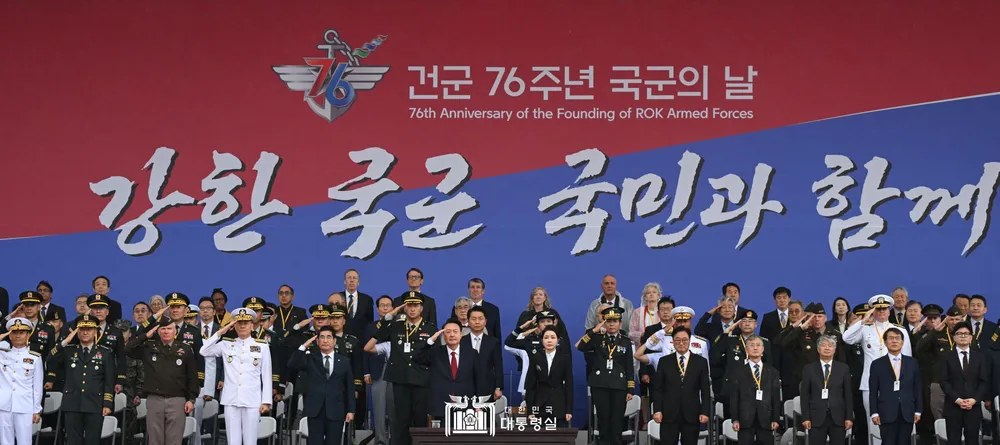 Source: Office of the President of the Republic of Korea
Honor applies to protecting your family, not only your country. The Middle Eastern word Qeirat, which means honor, translates as “protecting what is loved, or sacred”.
Plenty of people make sacrifices to keep society running without defending it directly. The broader foundation for sacrificing for a group is called “loyalty”.
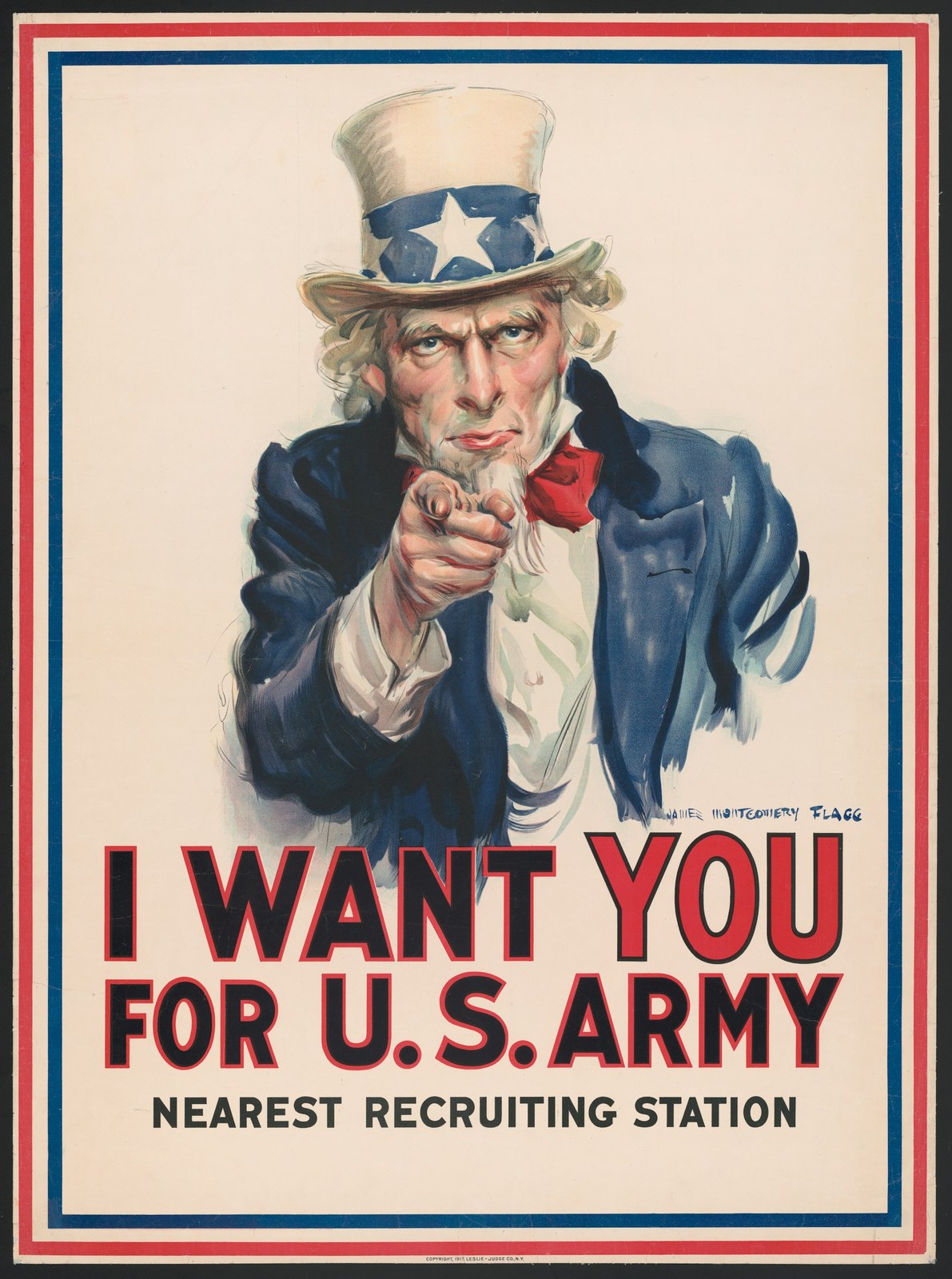
Beyond the country, we live inside companies and teams, families, relationships, clubs. Human society stays stable because we’re able to sacrifice for all of them.
Interestingly, loyalty looks different by sex. Men tend to be loyal to a group such as a team or a country, while women tend to be loyal to relationships.
The urge to punish a traitor who fails to stay loyal is part of this foundation as well. Given those tendencies, men are more likely to condemn someone who leaks trade secrets and women someone who cheats on a partner. The word “traitor” sits right on the loyalty foundation, and “spineless coward” sits (in some cases) on the honor foundation. There’s a reason people reach for both so often.
Loyalty, along with purity, is also the key to building a strong organization. I’ll show you how to use them for that in the next post.
Want practical tips that make you a little smarter every week?
I cover persuasion, marketing, writing, and the other skills modern life demands.
Subscribe now and get notified when a new post goes up!
Loyalty protects a group from the outside, but disorder inside the group is dangerous too.
If the members of a society fight instead of cooperating, it can collapse with no outside threat at all. So a society needs rules to keep it out of conflict. Two virtues handle that, both tied to “order”: “authority” and “liberty”. I’ll go through them in detail in the next post.
Next post:
References
-
Book: The Righteous Mind (link)
-
Moral foundations research: https://moralfoundations.org/
You might like these too!