I recommend books in my writing class,
and a few people have asked me how I pick the useful ones, so here’s the answer.
It’s subjective and rough. You could probably use it for picking YouTube videos too.
1. I prefer books about the author’s own field (their circle of competence).
I only trust books written by someone with a successful career, about the field they built that career in. If the author’s job title is something vague like “professional self-help writer,” I skip it before I start. The authors I drew on for the class were an FBI negotiator, a former presidential speechwriter, and a journalist of thirty years. Those are people worth trusting.
 However expert someone is, outside their own field they’re an ordinary person (Image by freepik)
These days, once someone gets famous as an expert in one field, they often transform into an expert in every field. You see it with experts who got famous on YouTube. At some point they’re confidently setting everyone straight on everything, and sooner or later one of those takes blows up in their face. When Paik Jong-won talks about the restaurant business, I’ll take his word for it. When he suddenly starts talking about AI, I should listen carefully. Famous doesn’t mean expert in everything. So you have to ask, every single time, “how well does this person actually know this subject?”
2. I prefer books whose claims have evidence behind them.
I treat a book built only on the author’s own life and opinions with suspicion. A principle that worked for someone else doesn’t necessarily help me. You can’t put scientific evidence behind every claim, of course, but I see a lot of people who exploit that and sell hope instead. The flood of books by young, successful entrepreneurs, the “hey, I’m amazing, and you can get rich too!” kind, tends this way. Lay out a childhood miserable enough to cry over, add a slightly questionable self-made success story, tack on some advice, and there’s your book. The story is moving. Whether their lesson applies to us is something you have to check.
 The evidence holding up a claim has to be solid
I’d rather have a book grounded in research. It’s less likely to be wrong, and being objective, it applies to our lives better. For research-backed books there’s 내면소통, which I recommend every time, and Don’t Trust Your Gut and Dopamine Nation are excellent too. It doesn’t have to be scientific evidence either. Ray Dalio’s Principles struck me as logically solid.
3. I prefer books that are clear.
Anyone can say “buy stocks low and sell them high.” Ask me to write a book on that and I’d manage it, and I lose money on everything I touch. What nobody can explain so easily is the price to buy at and the price to sell at. Explain that without knowing your stuff and the data will contradict you and you’ll be embarrassed. Explaining clearly takes real depth.
Writing that’s easy and clear is rare. Those are the books I prefer. The Prince is clear, and so are Peter Lynch’s books. Dale Carnegie’s How to Win Friends and Influence People is easy and clear too, which I think is why it’s still popular.
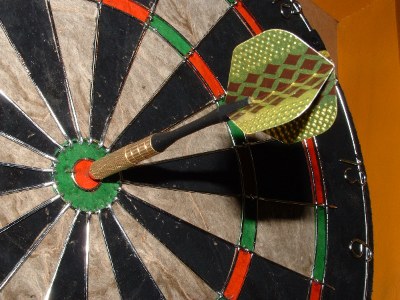 Photo by ren on Freeimages.com
So those are the three.
Anything like your own criteria?
Try applying them when you’re judging a YouTube channel or a blog.
Want practical tips that make you a little smarter every week?
I cover persuasion, marketing, writing, and the other skills modern life demands.
Subscribe now and get notified when a new post goes up!
You might like these too!
What if you read ten times faster? - reading series 1: how to read a book well
The way of reading only good writers know, part 1 - why reading a lot doesn’t improve your writing
How to live doing only what you’re good at - circle of competence (2)