Do you like MBTI? Then you’ll like today’s post. There’s a way to read people that’s more accurate than MBTI.
Today I’ll go through the three strong emotions that move people. Know these and you can understand someone, and move them.
The last posts covered the two ways emotion moves a person.
(These connect. If you haven’t read them, please, please read them first.)
I found the best brain science book - 1 - a review of Brain View (1)
As those posts covered, emotion leads both our behavior and our memory. So which emotions lead us? The strong ones marketing pokes at come to mind first: fear, wanting things, envy.
The strongest emotions: balance/stimulation/dominance
Brain research turned up three strong emotions that move people. Stability, stimulation, and dominance.
(The book calls the first one balance rather than stability, but stability is easier to grasp.)
Surprised that sex isn’t on the list? Sex comes up later on its own. It’s also wired into stability, stimulation, and dominance.
We want stability, stimulation, and dominance instinctively. That’s why each one is called a system. The stability system, the stimulation system, and the dominance system are what lead us. One at a time.
1. Stability: let’s just do what we always do
The first system, the stability system, wants safety, stability, and belonging. Ever found it comfortable to eat the food you know, wear the clothes you already wear, keep seeing the people you already see? That feeling is the stability system. It follows what everyone else does, avoids change, and keeps things the way they have been. The stability system helps us dodge danger and keep life safe.

But we don’t only like what’s familiar. Sometimes we want something new, right? That’s the stimulation system.
2. Stimulation: got anything new?
The stimulation system wants new experience. Ever wanted to try a new phone, eat an unusual dish, meet new people? If the familiar bores you and you want something exciting, that’s the stimulation system. It helps us go looking for new openings.

If you suddenly want to take up tennis, that’s the stimulation system. It helps you start tennis. What it won’t do is get you practicing steadily, building skill, and entering tournaments. The persistence and the competitive streak that make you work hard and beat other people come from the dominance system.
- Dominance: I’m the best!
The dominance system wants to compete and win, and to hold its territory. It’s the wish to be better than other people, to bend a situation your way, to have higher status or more prestige. The dominance system helps us work hard and win. Wanting to look good in an expensive watch or nice clothes is the dominance system too.

The dominance system helps you win a competition. But plenty of the world needs cooperation instead, and that comes from the stability system.
A lot of the values we chase can be put in terms of stimulation, dominance, and stability too.
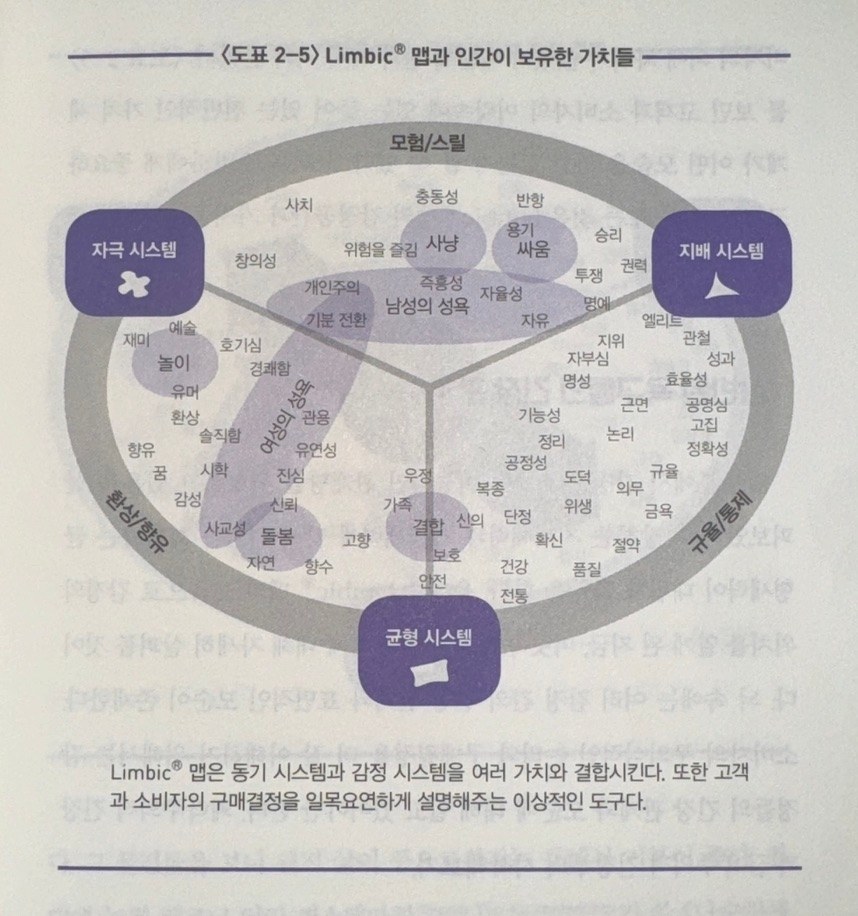
So being happy takes all three systems, stability, stimulation, and dominance. But that isn’t all of it. Other forces come next in importance.
What about sex?
Besides the Big 3, there are other emotions we feel strongly. Sex is the obvious one. The emotions ranking just below the three systems are called modules. Sex is one of them. Let’s look at the three most important modules.
Sex module: this one needs no explanation. It’s the wish to meet attractive people. So why isn’t sex the strongest force? Because it’s wired together with stability, stimulation, and dominance.
Bonding & caring module: the wish to build a family or a group, or to look after a dog or a cat
Hunting module: the wish to track down the good restaurant, or collect Pokemon stickers. The finding and the collecting is where the pleasure is.
Emotion opens the wallet
As the last post said, emotion assigns meaning. The same activity looks different once the emotion changes. Take exercise. (95p)
The stability system sees exercise as a healthy habit and a promise you made to yourself.
The stimulation system sees exercise as a new experience and a fun bit of physical activity.
For the dominance system, exercise is what makes you stronger.

The same activity, understood differently by each system.
Say you want a watch. Which watch you want changes with the emotion system.
The stability system wants a sturdy watch from a brand that has proven itself.
The stimulation system wants a smartwatch loaded with features, or something unusual.
The dominance system most likely wants an expensive, impressive luxury watch.
Which of the three descriptions did you nod along to?
Probably one of the three, maybe two, looked more appealing than the rest. Knowing which emotion system you agree with tells you your spending type. People respond to the products and the marketing that fit their Big 3 type.
Conclusion: how to persuade people
So know someone’s Big 3 and you can persuade them. The reasons a person moves come down to stability, stimulation, and dominance. Same reasons they spend money, same reasons they’re drawn to someone. If you want money and people, you have to know that people move on emotion. And you have to be able to read the Big 3.
Want to get good at persuading? Read this one.
How to persuade in one sentence - The One Sentence Persuasion Course summary 1
P.S. The Big Five personality model and the Big 3 of stability, stimulation, and dominance look similar. The stability system seems to match neuroticism, the stimulation system extraversion and openness, and the dominance system agreeableness and conscientiousness.