Have you ever quit something partway? Exercise, an instrument, a language, studying for an exam.
Everyone has given up on something hard that takes a long time.
Going to the gym three times a week was my resolution this year. It’s been more than two weeks since I last went.
Why do we quit the hard things?
Today’s post is what I came up with after thinking about how to actually do the things that are slow and hard and still have to be done.
Put in the effort, get the reward
First, let’s call the things we do games.
A game is an effort-and-reward set. You pay a cost for a set period, then you get paid back. Studying for an exam works like this: you pour in time and energy for months, and passing the exam at the end pays back more than you put in. A recurring savings deposit is the same shape.
Some games take a long time to pay out. Some pay out fast.
The bar exam is a good long game, three years or more. Walking to the convenience store downstairs for an ice cream is a short one.

We play all kinds of games in a life, and the long ones usually do more for us. Steady exercise, reading, investing, posting to a blog every week. A lot of the short games hurt instead. Instagram Reels, game or internet addiction, drinking, smoking. The ones that are hard to quit.
But we’re weak
The problem is that we’re bad at long games. Dopamine addiction, the thing everyone talks about now, is the same phenomenon. Short games (the ones that cost us in the long run) take our attention, and the long games that actually matter get dropped.
I think there are two reasons. First, the cost in time and effort is high, so it’s easy to quit halfway. Second, the method is complicated and you don’t know it, so you flounder around and quit. Plenty of people give up on a language purely because they never figured out how to study one.
How do we fix this?
How do we get past being weak at long games?
1. Cut it into bite-size pieces
A simple change in how you see it does the job.

First, split the big game into several small ones.
(If you code, amortized analysis is a decent way to picture it. If you don’t, it makes no difference at all.)
Why are long games hard? Because people are short-sighted. You know in your head that you should go to the gym, and you still lie there watching Reels for two hours. That’s a person. Human nature is too sensitive and too pessimistic about short-term results, and that part is hard to change.
Being short-sighted means we don’t have much patience. However big the reward, if right now is hard enough we walk away from what we were doing. When I’m swamped and haven’t slept for a few days, my patience runs out, the weekly post goes up late, and I stop looking after the people close to me. It’s a shame.
The point is that no matter how big the long-term reward is, if the short term hurts enough (= the loss is big), we lose the mental strength to keep going. That’s why every New Year’s resolution collapses.
So even in a long game, you have to collect rewards along the way. Addictive games do exactly this. A 20-hour game gives you the sense of achievement when you finish it, but it also hands you a small pleasure every 5 to 10 minutes. It runs on “small, surprising rewards.”
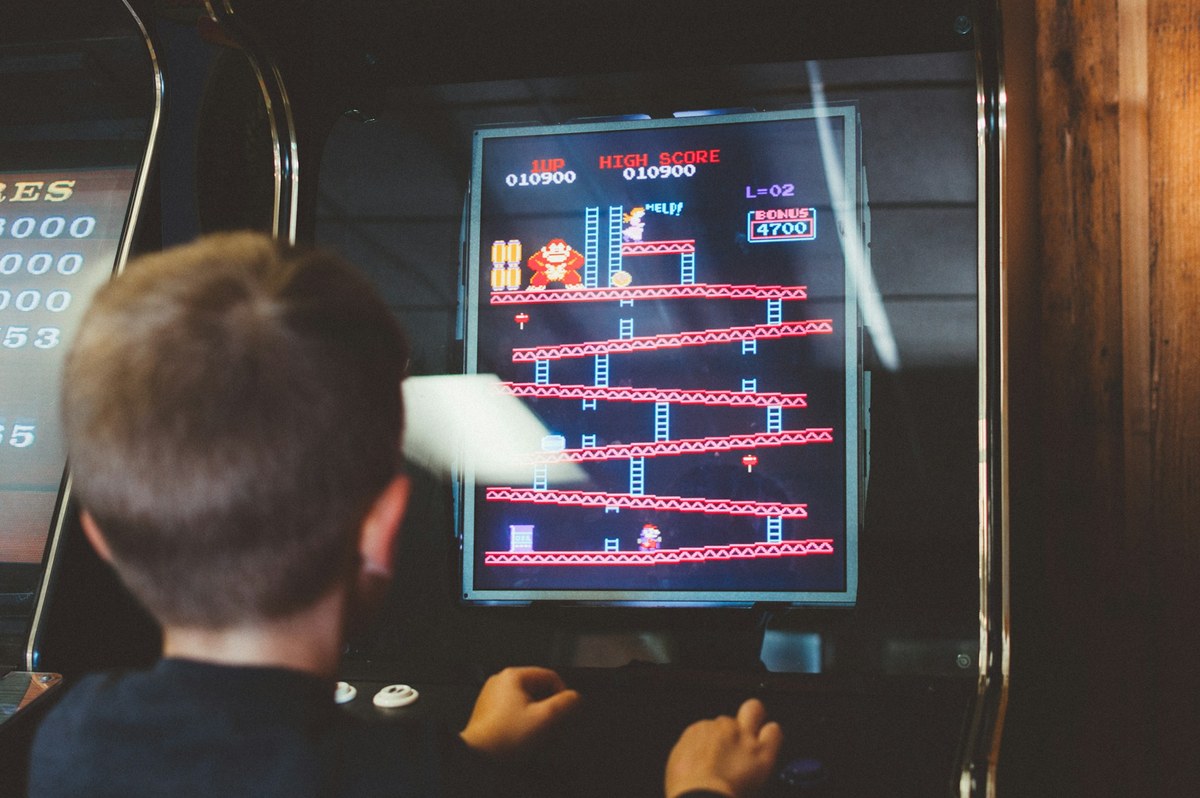
You could eat a small chocolate when you finish a day’s work, or buy yourself a little present when you finish a week’s. The point is that the rewards come often enough and stay small but new.
(Irregular rewards work better because they stay new and surprising, and I’ll cover why in another post! )
Want practical tips that make you a little smarter every week?
I cover persuasion, marketing, writing, and the other skills modern life demands.
Subscribe now and get notified when a new post goes up!
2. Build stops along the way
Also, the next goal has to be close by, or it wears you out. When you play a game you don’t sit there thinking about how far the ending is. You think about how to clear the stage you’re on. That’s why it tires you out less. (The reason you can’t quite bring yourself to start something like Civilization is the same mental fatigue.) Reels only feel painless because you watch a few seconds at a time. Set out to “watch 300 Reels over two hours” and it gets exhausting.

League of Legends, the most popular game around, is built the same way. One match runs about an hour. Nobody can concentrate for a full hour. So a match holds a lot of small games inside it. Every five minutes or so there’s an objective like a dragon. Small fights lasting about a minute come around every ten minutes. A LoL match is a chain of small skirmishes that keep you interested. The rush from those short fights (the small games) is why we lose a match and still say one more.
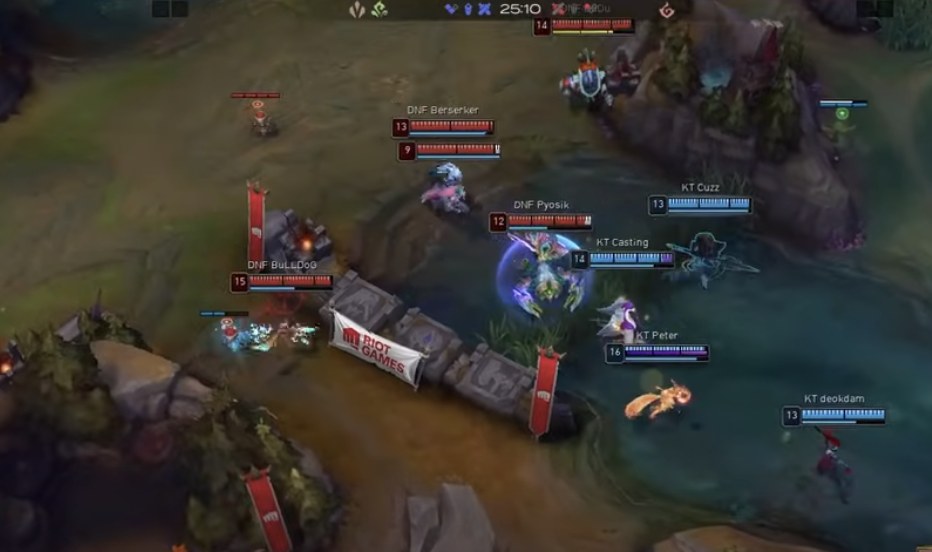 https://www.youtube.com/watch?v=HC4kCe8ryEw
Long games, life included, can borrow this. Instead of trying to grow the patience you were born with, why not train yourself with small rewards and stops in between?
Plan big, but when you work, look only at this week, today, right now, and run. Doing each day well is enough. Go do the workout and the room-cleaning you’ve been putting off, pull out the book buried on your shelf and read it, start the side project you’ve been sketching in your head.

If even that’s too much, just stand up. Inertia is what pins you in place, and it’s also what keeps you going once you start moving. (I’ll write about how to start well later! Subscribe and I’ll let you know.)
The longer the game, the lower the trough (the death valley) before the reward arrives. When the trough drops through the floor of your patience, you quit. Place small rewards and goals so the trough never breaks that floor, and you can play a long game without straining.
I didn’t expect to keep posting for over a year, and I’m not a person with that kind of grit. I only ever thought about the post going up this Sunday, and here I still am. Stopping would feel strange now, so I keep going. (I explained here why I started writing!)
Want practical tips that make you a little smarter every week?
I cover persuasion, marketing, writing, and the other skills modern life demands.
Subscribe now and get notified when a new post goes up!
References
You might like these too!