This series covers how to read faster, and the reading methods that beat speed reading.
The reading series collects what Prody puzzles over and works out, in a life that is mostly eating, reading books, and writing on Brunch.
If you could finish a book in 30 minutes,
how different would your life be?
While everyone else grinds through one book in five hours,
you finish in 30 minutes and have four and a half hours left to rest and mess around.
How would you want to spend the time left over?
Speed reading isn’t only a way to save time.
Someone who reads books fast reads and digests every kind of text far better than the rest of us.
If you had studied ten times faster back in school, how different would your life have been?
You might have passed your certifications and exams sooner.
Work changes too.
What if a report everyone else spends hours reading and reviewing takes you 10 minutes, and you go home early?
 How nice would it be to leave the office while it’s still light out like this
Is that actually possible?
On July 21, 2007, the last book in the Harry Potter series came out.
The moment it hit the shelves, speed reading champion Anne Jones tore through it, trying to post the first review in the world.
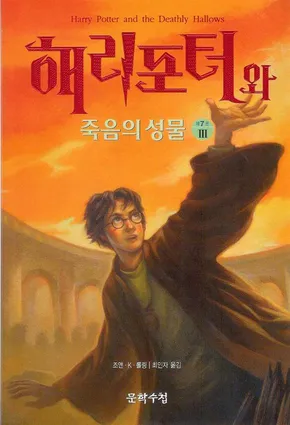
How long did a book over 700 pages take her?
47 minutes.
At that pace, an ordinary 300 to 400 page book takes 30 minutes.
Speed reading is entirely possible.
And it’s a skill you need.
We live surrounded by text all day.
Read ten times faster and you pile up ten times more knowledge.
Learn to speed read and you’ll have fewer things to regret.
The Kelly criterion I covered earlier backs up why speed reading matters.
The Kelly criterion: you can’t earn a return higher than the accuracy of your information
So my ceiling is set by my information.
Take in more information and learn more, and you can push past that ceiling.
I’ve wanted this skill for a long time. I read piles of books and watched piles of videos on speed reading.
But so much of it was useless, exaggerated, or flat out wrong.
(There’s one genuinely bad book I’d love to name and can’t.)
If you want to avoid bad books, I wrote about that here.
Three ways to avoid a bad book - enough with the success-peddling books!
So I read the research too. (I’ve listed a few papers at the end.)
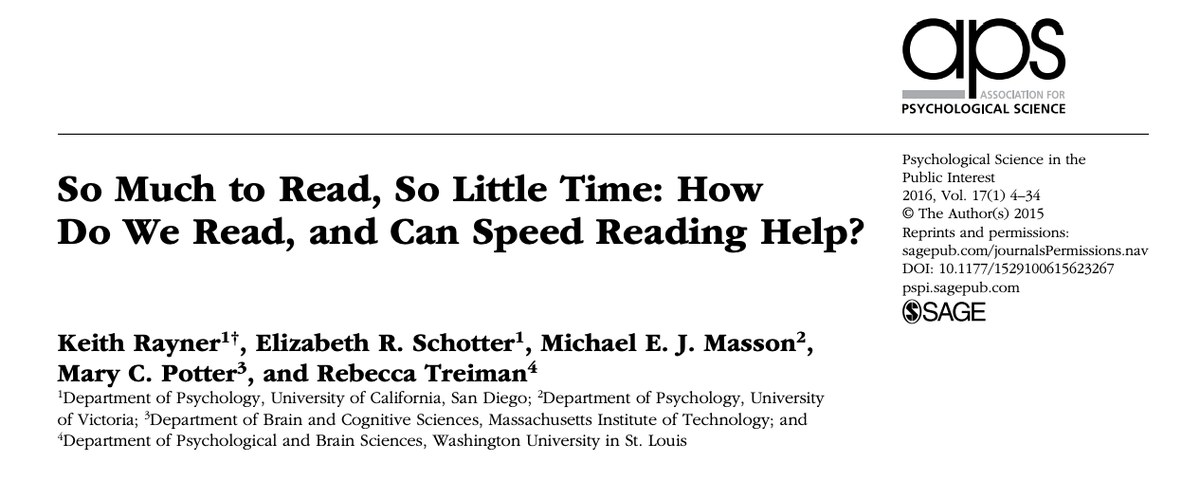 Your reading speed can go up, and if you stop obsessing over accuracy it can go up a lot.
One paper says some speed reading techniques give you nothing except “agility at flipping pages quickly.” (p. 24)
If you’ve looked into speed reading, you’ve probably run into the advice to stop subvocalizing (reading the words aloud inside your head). But research says subvocalizing helps you understand difficult text. That one example tells you how much bad speed reading advice is out there.
Still, there is definitely a way to read better.
Fix the habit of reading slowly and you’ll end up with above-average reading ability.
I cut out everything useless and wrong, kept only the practical parts, then practiced them and thought them over.
What came out of that is a set of ways to read better.
In this reading series, let’s go through them.
It covers speed reading anyone can do, plus tips for people who find reading hard.
What is speed reading?
Before that, let’s pin down what speed reading actually means.
Most people probably think of it as nothing more than the ability to read fast.
The speed reading courses on the market teach nothing more than that either.
But according to the paper above, the faster you read, the more you miss.
What good is reading fast if you forget all of it?
Or what good is remembering the content if you never grasp what it means?
Which raises the question of how you’d have to read to say you really read a book.
Do you have to remember 100% of it?
If that’s the bar, then honestly, I’ve never read a single book in my life.

Like you, I remember the main point and maybe one or two interesting facts.
Let me change the question.
Why do you read?
There are novels you read for fun, but let’s stick to reading for self-improvement or learning. In that case, you read to live better.
You read to get smarter, and to build your problem solving.
So having read a book means the book improved your problem solving.
Which means that if you read a book, you should be able to use it.
We don’t have to memorize a book, and we don’t have to copy it out by hand.
We only have to understand the new ideas in it and apply them to our lives.
As long as you can understand and apply, the fine details don’t matter. Nobody’s giving you an exam on the book. And if you can recite the whole thing but can’t apply any of it to your life, it’s worth nothing.

Real speed reading is the ability to apply quickly.
That’s right.
I’m not here to teach you how to read books fast.
Instead, I’ll show you how to put text to work in your life efficiently.
How a pragmatist reads
A pragmatist reads to build problem solving.
If it built your problem solving it was good reading, and if it didn’t it was bad reading.
Problem solving is the ability to take the various problems you run into in life and find a fitting solution.
It’s the ability to analyze a problem’s pattern and find the solution that matches that pattern.
To build it, increase the number of patterns you know and how well you know them.
First, knowing more patterns lets you solve more problems. People interpret every phenomenon by forcing it into a pattern they already know. The more patterns you know, the more accurately you can read the problems in front of you.
It’s like having more tools. With only a hammer you can only hammer, but with a drill and pliers and a saw you can do much more. Our heads need a full toolbox too.
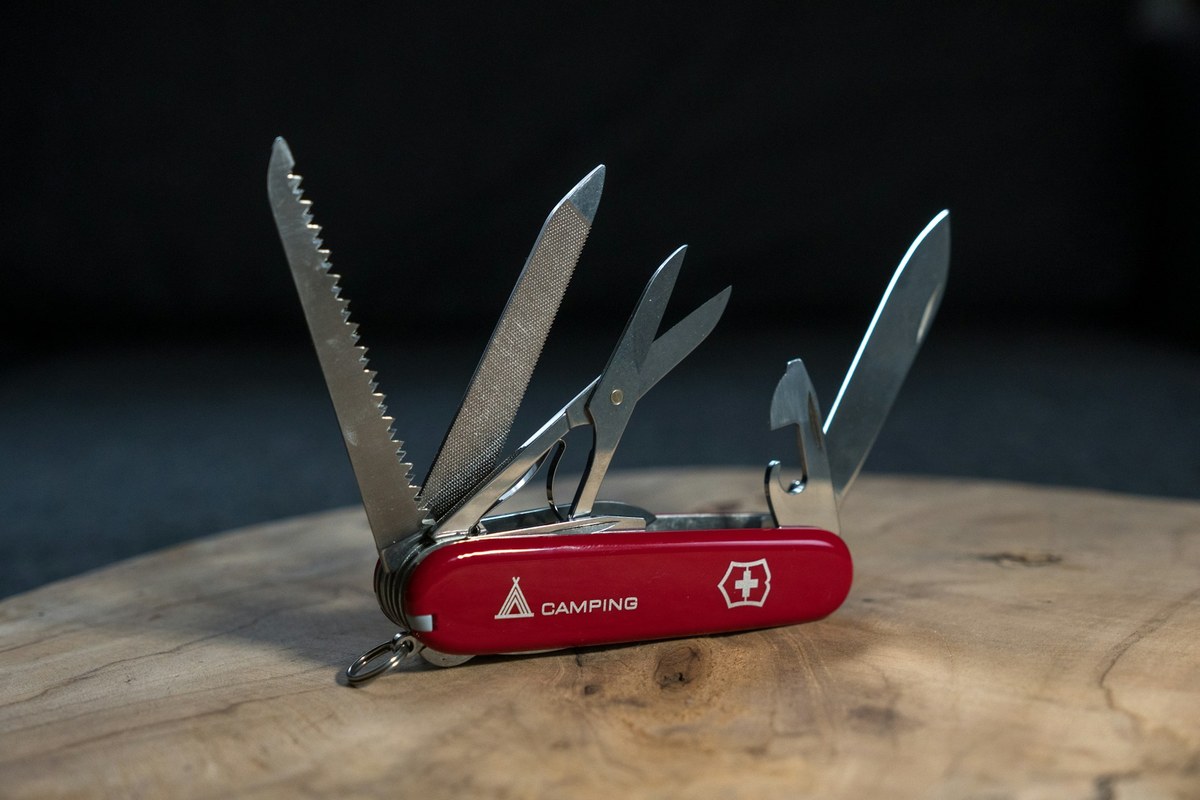
Second, you have to understand each pattern deeply. Knowledge differs in quality. The deeper a marketer’s grasp of human psychology, the better they can charm a customer.
These patterns are called mental models, by the way. Read a history book and you get a mental model of history; learn to cook and you get one for cooking. And we use mental models to solve problems. Let’s keep it light for now. I’ll explain it properly later, when I cover “how to pick the most valuable knowledge”.
To sum up, when we read we should be thinking about how the book could solve the various problems we meet out in the world.
However fast you read, even if you remember every word, if your ability to use it doesn’t improve then all you practiced was rolling your eyes across a page.
Like a stack of unopened delivery boxes in your hallway.
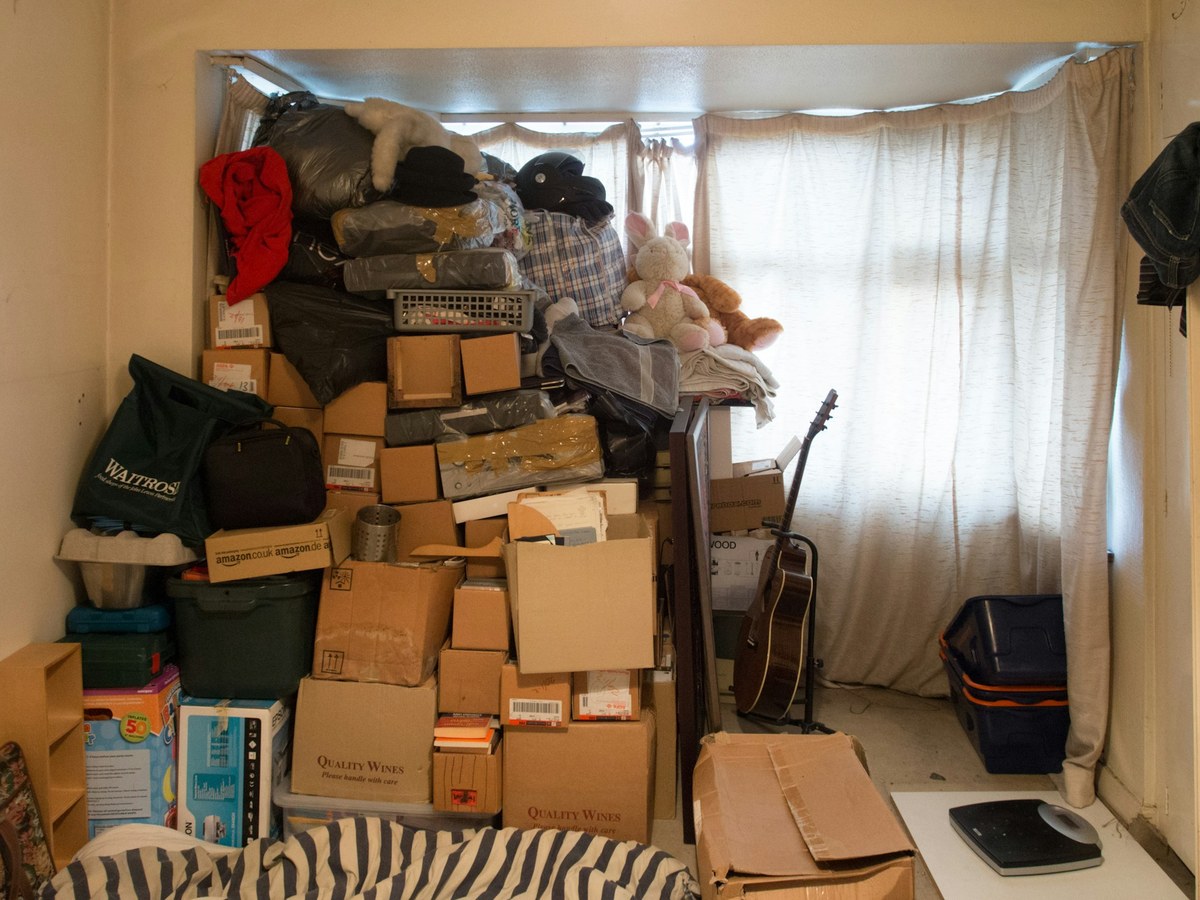
You’ve only really read a book once you’ve done all three: remember -> understand -> use.
But just reading leaves you remembering nothing, understanding nothing, and applying even less.
Let me show you a good way to read well and actually use it.
The four-step method: record, summarize, connect, repeat
Here’s a method that’s easy enough for anyone and doesn’t take much time.
The four-step method, record, summarize, connect, repeat. This alone is enough to digest a text completely.
-
Record: note or mark whatever interests you as you read
-
Summarize: sum up what you learned to lock it into memory
-
Connect: link the thoughts together and put them to use
-
Repeat: reread the good books and run steps 1 to 3 again
Next post I’ll go through the four-step method in detail.
And I’ll show you how to read faster with one finger.
See you next week!
Want practical tips that make you a little smarter every week?
I cover persuasion, marketing, writing, and the other skills modern life demands.
Subscribe now and get notified when a new post goes up!
Read the next post:
The reading method that never fails - reading series 2: how a pragmatist reads
References
-
Book: 책 잘 읽는 방법 (Kim Bong-jin)
-
Book: How to Read a Book (Mortimer J. Adler)
-
YouTube: How to Speed Read
You might like these too!
Why studying more makes you dumber - decision-making series 1: is more information always better?
The way of reading only good writers know, part 1 - why reading a lot doesn’t improve your writing