This post is about how to build a strong organization.
I’d read the reviews of The Righteous Mind in order.
Part 1:
Do you lead a group at work, at home, or somewhere else?
Or do you want to lead people well someday?
Then you’re probably wondering how strong organizations get built.
Today I’ll tell you the secret behind organizations that get more done and get through a crisis together.
Say “strong organization” and what comes to mind is strict rules and a system of rewards and punishments.
It feels like rigor and rationality should be what makes an organization strong.

But according to the book, what makes an organization stronger is two feelings, awe and belonging.
There is even research showing that irrational, inconvenient rituals are what keep an organization going.
Strong organizations start from a different set of feelings.
Today, let’s work through the second half of The Righteous Mind and see how to build a strong organization out of feeling.
The moral foundation we’ll use is loyalty. Loyalty means sacrificing for the group and nothing else. To draw it out, you have to hand people a clear job and explain why that job needs doing. A shared goal with a reason behind it is what we call a vision. A vision can pull people together through loyalty.
Keep in mind that people are loyal in different ways. As the last post explained, research says men tend to be loyal to a group like a team or a country, while women tend to be loyal to relationships. Rather than splitting it strictly by sex, I’d take it as: people are loyal to both groups and relationships.
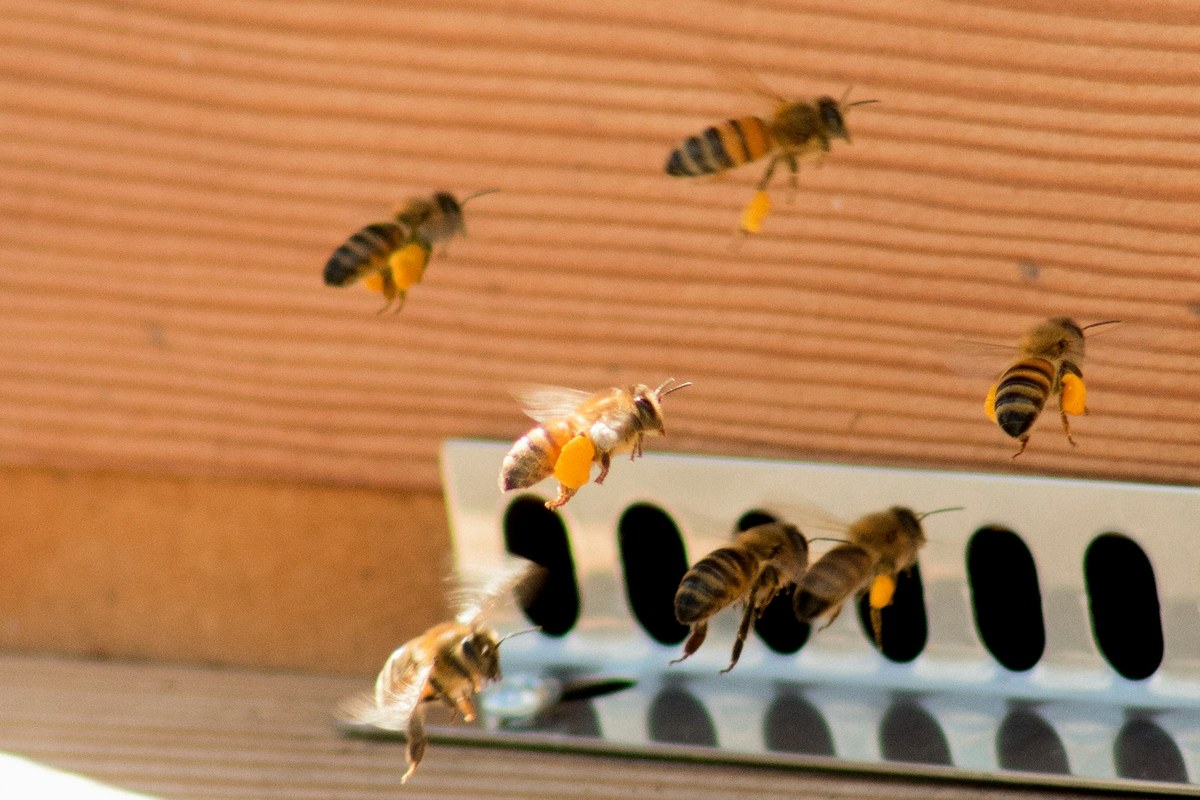
The book takes a similar view. The author says a person is a monkey and a bee at the same time. We carry the monkey that feels belonging inside personal relationships and the bee that feels belonging to the colony itself.
Let’s look at how to use both kinds of loyalty.
1. The after-party is what holds a group together
Belonging that comes out of relationships shows up in religion.
Where do you think a religion’s cohesion comes from?
Faith? Ritual? Tradition and ritual matter too, and I’ll get to that below. But according to research done in the US, a religion’s power shows up in the relationships between believers. In the US, religious people (Christians especially) do more good deeds than nonreligious people, and when you analyze why, close relationships with fellow believers matter more than religious practice or faith. American Grace, the book covering this study, puts it this way.
What produces the real effect of religiosity on good neighborliness is chatting with friends after the service or joining a Bible study, not listening to sermons or believing in God fervently
Now you see why the after-party matters.
When your relationships with people in the same group are close, you feel you belong to the group and you act like it. You end up copying the thinking and the behavior of the people you feel close to.
So how do you build close relationships?
The best method with science behind it is sharing vulnerability (or secrets) and empathizing. I covered the details in the post analyzing the book Supercommunicators.
Another good method came up in ‘How to persuade in one sentence’. People will do anything for someone who cheers on their dreams, soothes their fears, and fights alongside them. That one I also covered in detail in an earlier post.
How to persuade in one sentence - The One Sentence Persuasion Course summary 1
Even a huge religion is held up by relationships between individuals. But you can’t run an organization on personal relationships alone. Sometimes you need people lined up in one direction. Sometimes you have to turn them into bees in a hive.
Want practical tips that make you a little smarter every week?
I cover persuasion, marketing, writing, and the other skills modern life demands.
Subscribe now and get notified when a new post goes up!
2. How to become a bee
A bee lives for the hive and dies for the hive. What about people? Think of patriots and martyrs and you can see we have some of that in us. But not everyone does. The author says people have a hive switch that makes them act like bees.

When the hive switch flips on, people drop their own position and think and act from the organization’s.
How do you flip the hive switch? Two ways: awe and ritual.
Awe is the feeling of being one part of something enormous. The way you feel when you sense you’re a piece of nature, people feel awe when they sense they’re part of a whole.
The sociologist Emile Durkheim said as much.
A man cannot become attached to higher aims and submit to a rule if he sees nothing above himself to which he belongs.
Awe makes you value the group over yourself.
You can manufacture awe, too. Gather hundreds or thousands of people, put them in the same clothes, have them do the same thing. Party conventions, sports days, group dances and marches, playing music loud and dancing, they all work this way.
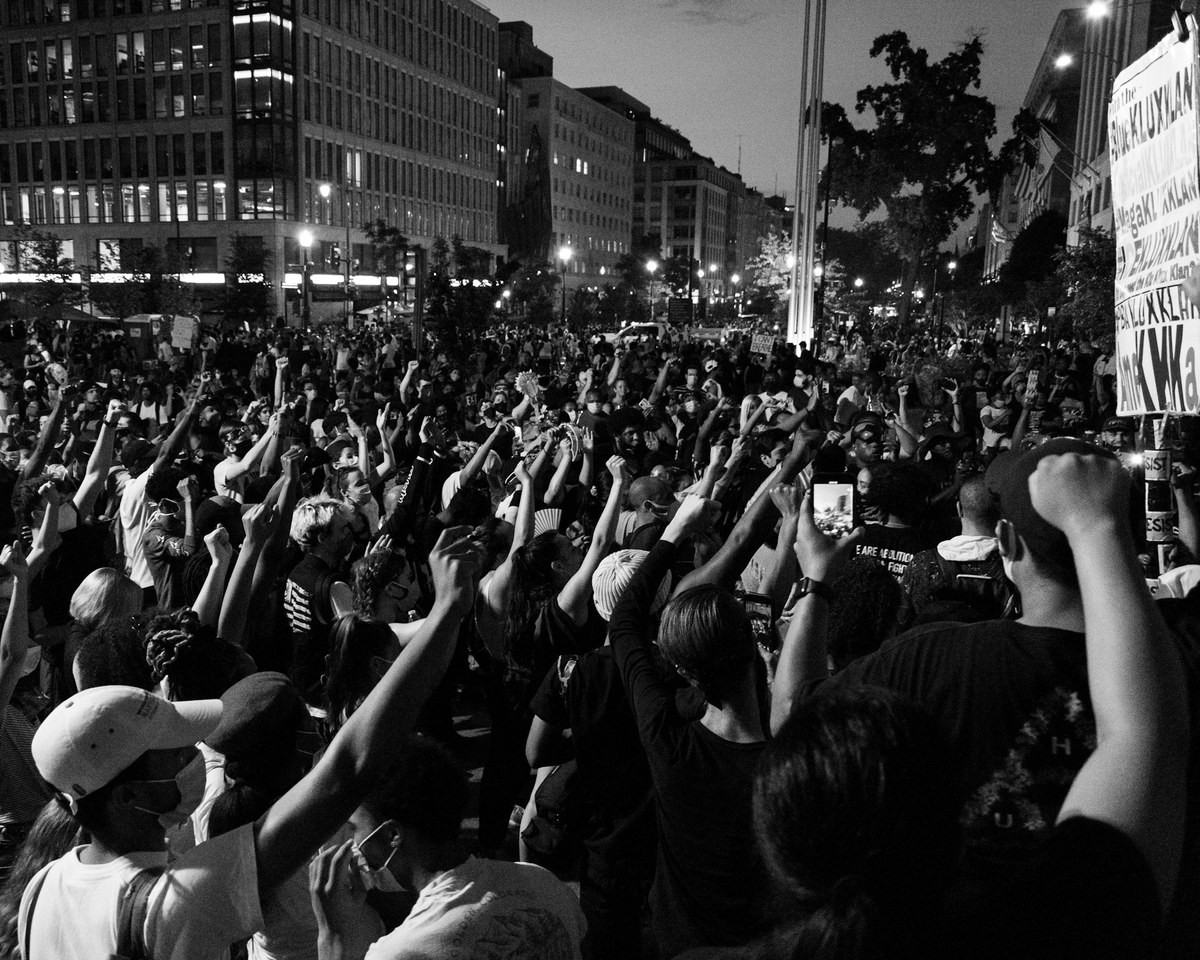
When you feel you are part of a huge organization like that, you stop being an individual and melt into the group.
3. The power of sacred ritual
The last way to flip the hive switch is ritual. Tradition and sacred ritual do not ask for reasons or count the costs. Ancestral memorial rites are a good example. Plenty of households have stopped holding them, but even one to twenty years ago the rites were simply something you did. Nobody counted the labor and the cost of the food that went into them. Now the trend is to skip them, because the money, the time, and the exhaustion feel inefficient.
But inefficient ritual turns out to help hold an organization together. Inefficient ritual rallies people. One interesting example is the anthropologist Richard Sosis and his study of 200 nineteenth century American communes. A commune is a place where people with no blood ties live together, and they split into religious ones and non-religious ones. Which side lasted longer? The study found only 6% of the non-religious communes lasted more than 20 years, against 40% of the religious ones. Seven times the survival rate.
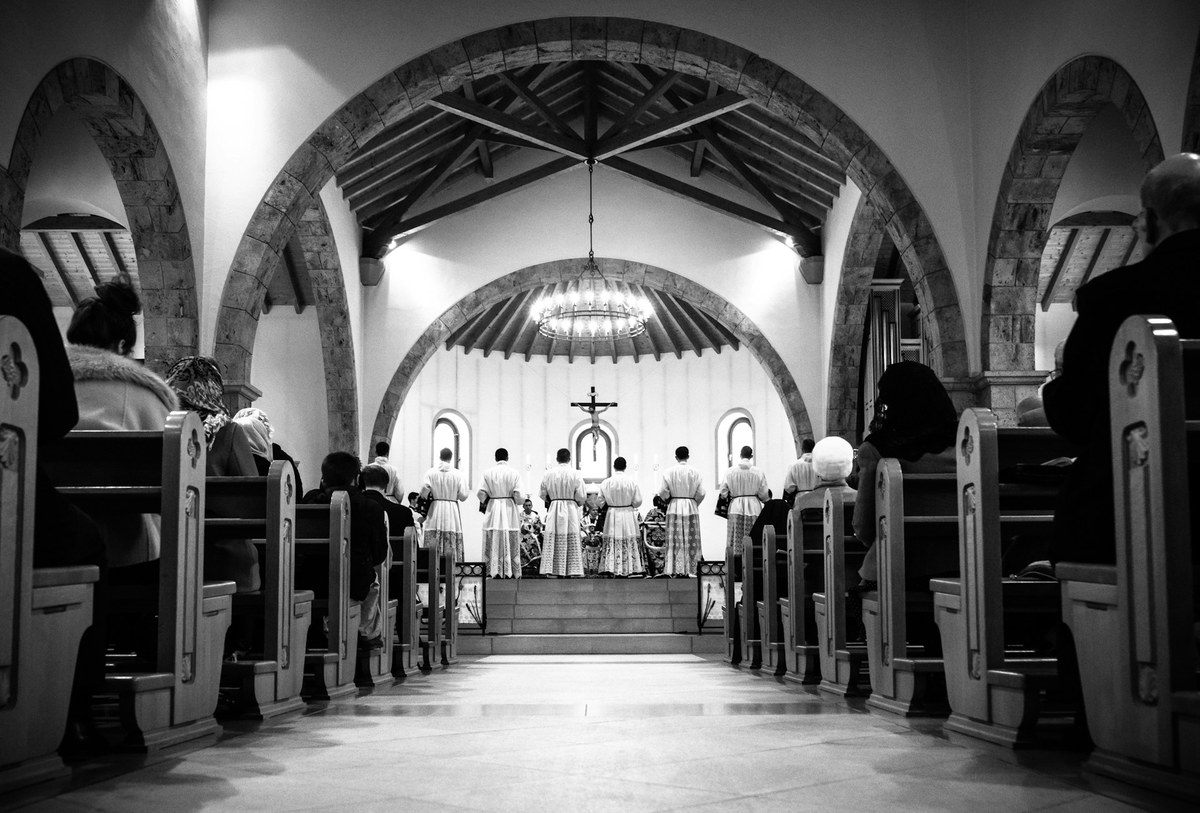
Did the organizations get stronger because religion gave its members benefits? No. Religion demanded sacrifice from its members. Religious communes demanded all sorts of it: no drinking, no smoking, fasting, rules about clothing and hair. What is interesting is that the bigger the sacrifice, the better the commune survived. Sacrifice is what made the organization strong.
That does not mean every sacrifice helped. Non-religious communes showed no correlation between sacrifice and how long they lasted. Organizations got stronger only when the sacred and sacrifice came together. Approach sacrifice rationally and each person starts counting their own profit and loss. Once they are counting, they get reluctant about the sacrifices the organization needs. Tradition and the sacred matter because they block that counting. Maybe ancestral rites disappeared not because they were inefficient, but because the tradition and the sanctity around them disappeared.
Same in a romantic relationship. Count it out rationally and there may be no reason to mark an anniversary or Pepero Day. But when you mark the day without asking why, the relationship gets deeper and stronger.
Sacrifice nobody questions makes an organization strong. Sacred ritual (the sanctity foundation) or traditional ritual (the authority foundation) makes an organization strong.
Conclusion
To sum up, strong organizations are made by feelings: loyalty and belonging, awe and closeness.
Build a sense of calling people can share, then back it with close relationships and awe, and you have a strong organization.
Is the organization you belong to right now using the feelings we covered today?
If you end up running one, how would you want to use them?
Want practical tips that make you a little smarter every week?
I cover persuasion, marketing, writing, and the other skills modern life demands.
Subscribe now and get notified when a new post goes up!
P.S. I joined Threads!! I post shorter, easier things there than on Brunch :)
Prodi (@prodi.live) on Threads
References
-
The Righteous Mind (link)
-
Moral foundations research: https://moralfoundations.org/
-
Paper: How the nomological network of morality varies across cultures
You might like these too!