A book that costs 20,000 won was going for 100,000 won secondhand. It got popular again after well-known self-help YouTubers (Jacheong, Sinsaimdang, and others) brought it up. The book is Brain View, a marketing book built on brain science. Read it and you can see how emotion runs you.
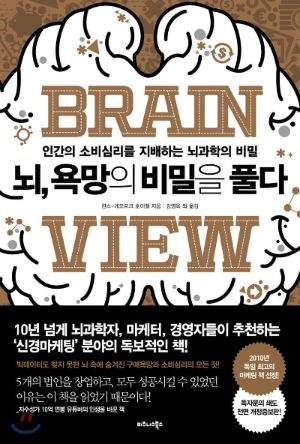 Brain View
I skimmed the YouTube videos about this book and got a surprise.
Almost all of them focus on the back half. Of the 100,000 won a used copy fetches, 90,000 won of the content is sitting in the front half.
The back half everyone talks about covers seven human personality types. Understand those and you can see what people chase depending on their personality, and why they spend money.
You also learn the marketing techniques that get each personality type to spend. (I’ll cover that later too.)
But I want to look at the front of the book. It explains what emotion does, and it does it briefly.
Emotion drives learning and decisions.
Which is to say, emotion leads our memory and our behavior. You have to get that one sentence properly before the personality types later on make any sense.
It also comes back when I get to how stories work, so keep it in mind.
1. What is emotion?
Happy, sad, angry, delighted, all of it is emotion.
But have you ever made a stupid choice because a feeling swept you up? Buying something you didn’t need on impulse, ordering late-night food when you weren’t hungry, lighting a cigarette in a fit of anger after you’d quit. We’ve all done at least one of those. Emotion gives us lovely memories too, but it hands us plenty of choices we regret. So why does emotion exist?
Emotion is a generalized program that governs mind and body to protect our life and reach the goals of our life. (46p)
When humans were surviving in the wild, emotion was useful. Hear a tiger’s footsteps and fear jumps out. Fear pushes blood into your arms and legs so you can run fast, and it shuts down complicated thinking for a moment so you can focus on surviving. Meet a tiger and the coward who bolts immediately probably lived. The one who calmly, rationally worked out whether it really was a tiger had already been eaten.
So emotion is a device that runs very fast for the sake of survival. Fast emotion helped in the wild, but modern people rarely feel their survival threatened. Which means we notice the side effects of emotion more than the benefits.
A good example: meet a lion and you feel severe stress. Your body has run into something dangerous, so it puts everything into survival. Digestion and the immune system stop. Your arms, legs, and the rest of your muscles tense up instead so you can fight or run. You snap awake, and even if you need rest you don’t feel tired. All of that is useful if you really did meet a lion.
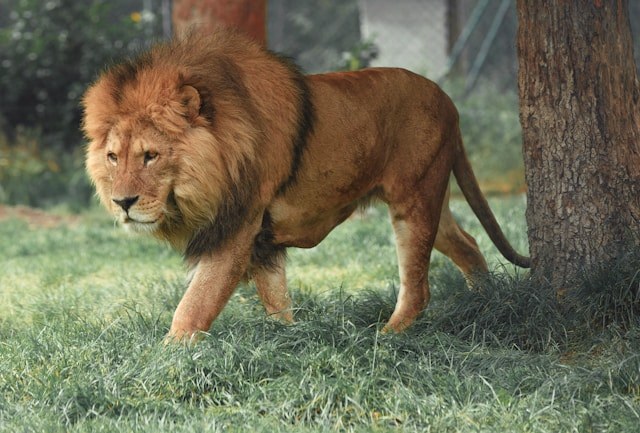
The trouble starts when a modern person runs into their boss. Emotion responds to the fact that something threatening is in front of you. It doesn’t sort out whether the sharp thing is a predator’s teeth or a department head’s tone. So the body feels the same emotion and reacts the same way. You are never going to brawl at the office. Your body goes to combat readiness anyway. Digestion stalls, sleep won’t come, muscles lock up.

You don’t meet a lion every day, but you meet your boss every day, often. That’s how you end up with insomnia, indigestion, and muscle pain. All of it happens because emotion reacts on its own, for survival.
Most of us can’t control emotion. And as I said above, emotion causes behavior. So don’t picture a person as something that feels emotions and separately makes decisions. Picture something that gets swept along by emotion and makes its decisions from in there.
Every important decision a customer makes is emotional. A decision with no emotional element means nothing to the brain. (110p)
As the book says, emotion makes the decisions that matter. I’d go further and say emotion and meaning are linked. If something moves your feelings, it means something.
So how does emotion decide behavior and memory?
One at a time.
Want practical tips that make you a little smarter every week?
I cover persuasion, marketing, writing, and the other skills modern life demands.
Subscribe now and get notified when a new post goes up!
2. Emotion, motive, behavior
As I said above, emotion makes the decisions that matter. When we make a decision that’s true to feeling, we say we’re living the way our heart tells us. But according to brain research, the heart tells us every decision, and reason only follows.
So how does emotion move us?
For emotion to cause a specific action, it first has to understand the situation you’re in. You can feel hunger, but there has to be a fridge or a convenience store nearby before that feeling turns into a specific action.
The specific action emotion sets off is called a ‘motive’.
A motive is the conversion of an emotion program into the life and the situation we are living in right now. (46p)
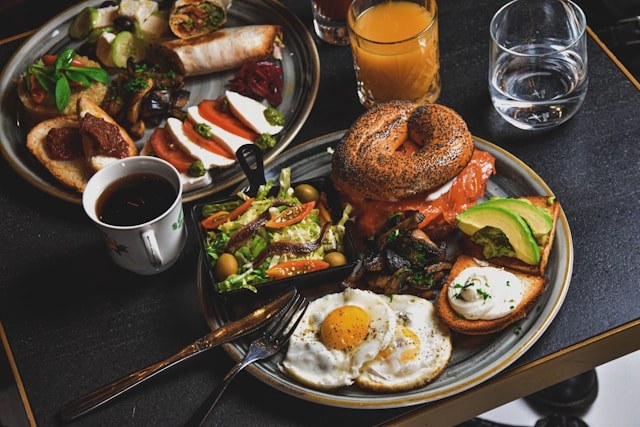
So the feeling of hunger converts into a specific motive, opening the food delivery app 두잇, and that ends in action.
Are humans rational?
Ask most people and they’ll say yes. But we aren’t. Humans are emotional. As the book says, the real decider is emotion. (115p) So why do we think people are rational? Because after we’ve made the decision (with emotion), we rationalize it with reason.
Consciousness took no part in the action, yet afterwards it assigns the action a meaning. (144p)
People decide with the heart and then manufacture a reasonable why. You order late-night food on impulse and then think you’d have been too hungry to sleep. That’s what a person looks like.
This is why we remember ourselves as rational decision makers. The core of the book is that we aren’t. Get that and the rest of it follows.
Looking at it that way, the memory of making a decision is shaped by emotion too. The motive to rationalize, which is an emotion, built the memory of ‘rational me’.
In the next post, let’s look at how memory and emotion fit together.
I found the best brain science book - 2 - a review of Brain View (2)
Want practical tips that make you a little smarter every week?
I cover persuasion, marketing, writing, and the other skills modern life demands.
Subscribe now and get notified when a new post goes up!