Answer this one question and you can write something good.
The piece you’re writing right now. Why are you writing it?
Because the team lead told me to?
Because I have to promote my cafe?
Or because someone told me to hand in a cover letter?
Did you answer like the lines above, some version of ‘I write because someone told me to’? I hope not. You never stopped to think about why the piece needs writing. It’s the attitude of someone writing under protest because they were ordered to. Nobody writes well thinking that way.
Think a little harder about why you’re writing, then answer again.
 There’s a better answer. Think it over again
To report the monthly sales trend to my team lead.
To promote the new item at my cafe.
Or to use my cover letter to get hired at the big company I want.
Those answers are much better than the first set. Why?
Because the second set holds the purpose of the piece. Reporting, promotion, getting hired. Each answer works out the purpose of the piece. Settle just that much before you write and what comes out will still be orderly.
Still, those answers score 70, not 100. They only hold what I want. They never think about the reader. Wanting to promote the cafe’s new item is my own business. The answer doesn’t account for what’s going on in the reader’s head.
So here are the answers that score 100.
My team lead uses last year’s sales trend to build this year’s business plan.
Customers see the cafe’s new item and come in more often.
The hiring manager reads my cover letter and picks me.
What makes the 100-point answers different? The reader is inside the purpose. There’s an intended effect, a way the reader will change. A purpose with an intended effect in it is sharp. That’s the whole point. Writing exists to change the reader.
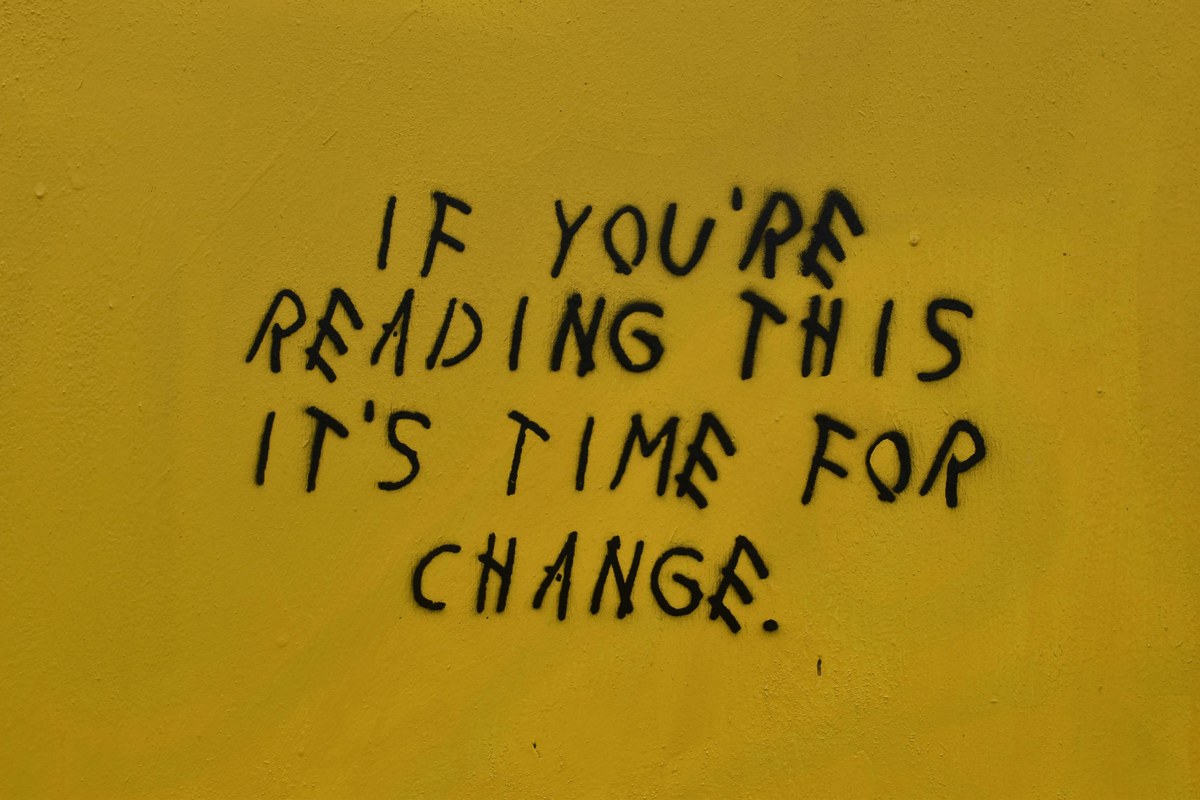 We write to change the reader.
People tell you to settle the subject, or the message, the purpose, the intent before you write. Those are all the same thing. They mean: decide the intended effect, then write. Put the intended effect in one sentence and you have a purpose statement.
A purpose statement looks like this.
Customers read the cafe introduction and come to our cafe more often.
Brunch readers read my post and learn something about writing.
Someone reads the apology and calms down.
So the purpose statement is the reason a piece exists. It’s the reason we write.
A workable length, some entertainment, good phrasing, good structure: none of that makes writing good.
The purpose statement is what makes writing good.
The funny anecdote you slip in halfway through, right down to a single period, is there for the purpose statement.
So write to a single purpose. That’s what stops a piece from scattering. Writing with no purpose, or with several, leaves the reader confused, and in the end both the writer and the reader waste their time. A piece written to its purpose has force. Every word, every sentence, every paragraph lines up behind one purpose. The writer only has to ask whether each part fits the purpose, which makes the writing easy, and the reader never gets lost on the way through. They understand what the writer is telling them.
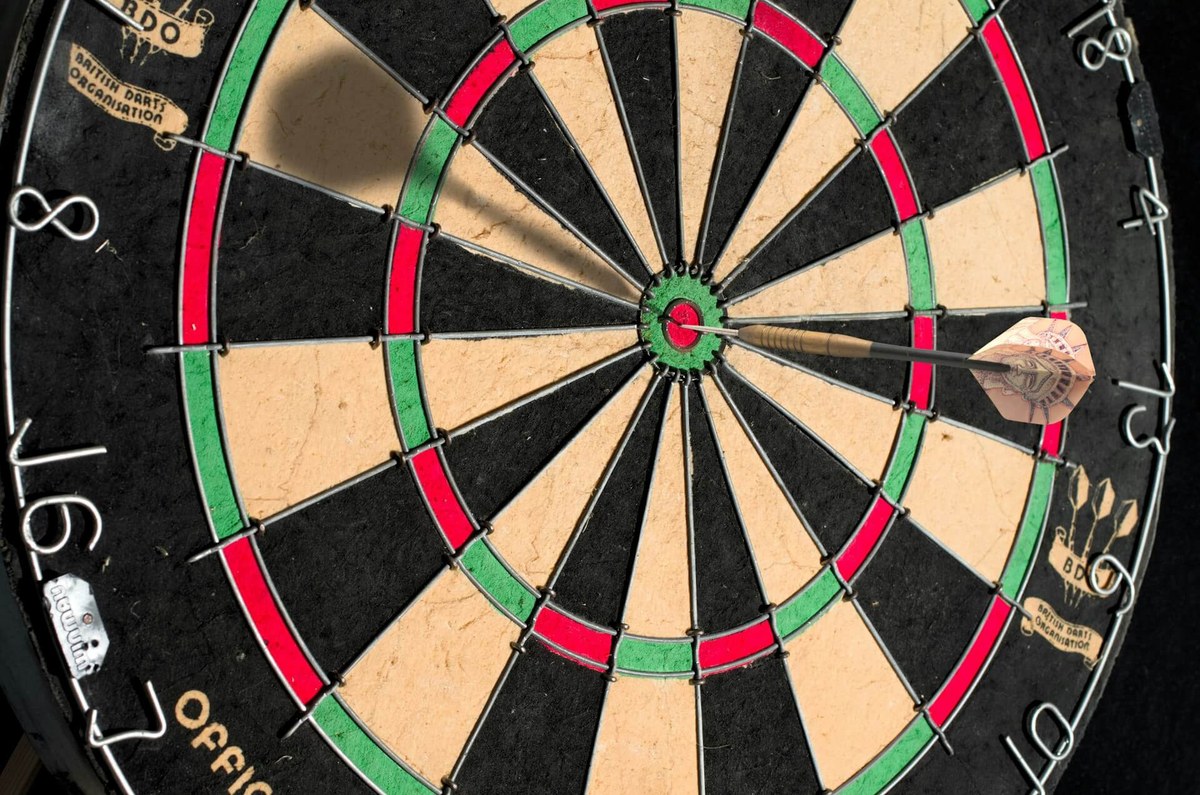 Good writing has a purpose statement.
But we lose the purpose statement easily. Concentrate only on the sentence in front of you and you drift away from the larger subject. What you end up with has nothing to do with the purpose.
So set the purpose statement first, before anything else. Write without settling the purpose and the piece wobbles. The phrasing, the sentences, the paragraphs, and the whole piece on top of that never line up in one direction.
The next post covers how to build a good purpose statement.
Cover Image by freepik