Drawn from Adam Grant’s book Think Again.
Have you ever made a stupid choice?
The first one that comes to mind is the money I put into a certain P2P lending company about five years ago and lost almost all of.
 https://www.etoday.co.kr/news/view/1992286
They said they would clear up every question at an investor briefing, so I went to their office. The search and seizure was already finished and the place was empty.
The memory stings for more than the money. It’s the one I regret most because I could have avoided it and didn’t. The returns were too high and there was a record of late payments, and once I had seen that I should not have invested. There’s a part that bothers me more: I didn’t change the bad choice. At some point I did start to sense that something was going strangely at that company, and I sat there telling myself it was probably fine.
Flexible thinking, and not blaming other people
It happens often enough. You don’t change a bad choice in time and it costs you. So how do you tell when you’re being stubborn about an idea that’s wrong?
Dr. Philip Tetlock, who has come up in an earlier post and several times since, splits being locked inside your own opinion into three patterns in his research: the politician, the preacher, and the prosecutor. Watch for these three and you can tell when you’re clinging to a wrong idea.

1) The politician: look how many people say I’m right
The politician confirms being right by collecting support. This pattern cares whether people back the opinion, not whether the opinion is actually right. You gather up everyone who agrees with you and relax. There are people around you who just want to hear that they’re right. For example,
It’s mistaking social proof for evidence that you’re actually right.
2) The preacher: this is simply the right way to do it
The preacher works from morals and values rather than logic and never considers being wrong. The question stops being something to approach critically and becomes a question of values. Take “is a vegetarian diet good for you?” The preacher argues that vegetarianism is a matter of animal welfare and morality, and never judges whether it’s actually good for your health. Judgment doesn’t run on facts, logic, or evidence. It runs on values and obligation, and it stops at “this is morally, socially, ethically right.”
3) The prosecutor: you’re wrong, so I’m right
The prosecutor fixes on where the other side is wrong and tries to win the argument. Instead of finding the accurate answer or making a good estimate, the energy goes into refuting the other person. Sometimes the attack lands on spelling or a small factual point that has nothing to do with the claim. Logic matters, but on a complicated question it isn’t hard to find a logical hole in any opinion, and an estimate with no holes in it is rare. The prosecutor does think in terms of evidence, but ignores the chance of being wrong and fixes only on the chance that the other side is.
Do the three patterns feel familiar? You’ve probably seen them in people around you, or in yourself.
What the three have in common is that none of them considers the chance of being wrong. The politician settles into public support, the preacher into a value judgment, the prosecutor into the other side’s weak spot, and none of them looks back at their own opinion. That makes admitting a mistake and correcting a judgment hard.
The way out is to think like a scientist. Put simply, focus on the chance that you’re wrong.
Want practical tips that make you a little smarter every week?
I cover persuasion, marketing, writing, and the other skills modern life demands.
Subscribe now and get notified when a new post goes up!
The fourth job: the scientist
What we need instead of the three patterns above is the scientist’s way of thinking. The scientist stays focused on the possibility of being wrong, forms a hypothesis, and tests it objectively. Research finds that people who think this way do better at prediction and decision making. In one experiment, entrepreneurs were split into two groups, one working from a traditional business plan and the other from scientific hypothesis testing, and the group that approached it like scientists brought in 2.7 times more revenue.
If I had built a hypothesis before putting money into that P2P investment, something like “is this company’s business model sustainable?”, and gone through the actual data (the trend in late payments, the gap between its returns and everyone else’s), I might have felt the risk sooner and cut the amount.
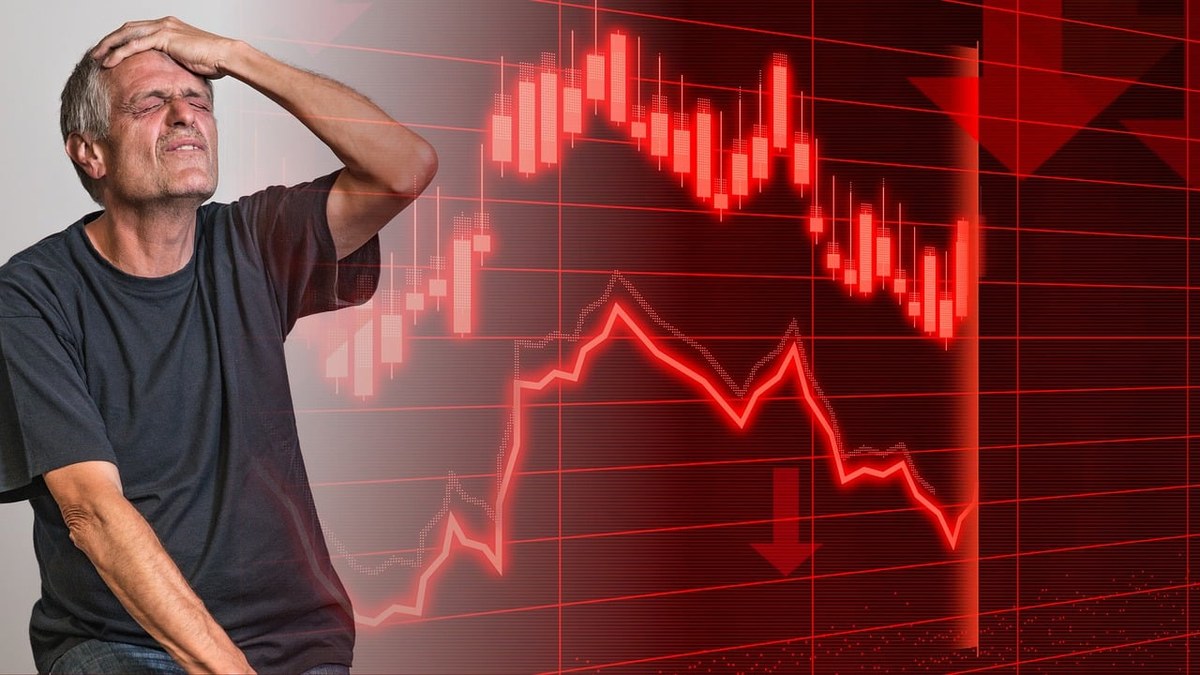 I learned a lot.
So: believe your own position about 80%, and go looking for evidence and counterexamples. Staying loose enough to change your mind at any point means keeping the chance you’re wrong in view.
Want practical tips that make you a little smarter every week?
I cover persuasion, marketing, writing, and the other skills modern life demands.
Subscribe now and get notified when a new post goes up!
References: Think Again, Social functionalist frameworks for judgment and choice
You might like these too!