-
Why I quit and started writing
-
What’s good about it, and what isn’t
0. One year since I quit and started posting weekly
I’ve put up a post every Sunday.

The blog itself takes about three hours a week. Reading the book, picking what to write about, and organizing it into a draft adds maybe another ten.
I’m not writing for views or reactions. I make no money from this and I have no plan to.
I tidy up what I’ve studied and post it. That’s the whole thing.
Today I’ll say why I’ve been spending that time every week,
which I’ve never explained before.
1. The developer who walked out
As I mention now and then, I worked as a developer. Startups through listed companies, more than three years across a range of places.
 Weekends I worked from cafes too.
The pay was fine and I genuinely liked the work.
Then in the autumn of 2023 I quit, out of nowhere.
Since then I’ve held no other job. I started the blog and I’m still writing it.
2. The answer was outside the office
I couldn’t be satisfied with my work.
The salary was good, but it couldn’t keep pace with house prices.
And watching companies I’d worked at run into trouble, watching colleagues get asked to resign, taught me plenty too.
So I took out a few insurance policies. 1) I studied in my spare time to build my skills, and 2) I studied US stocks.
Then 3) I built all sorts of programs after work as side projects, for fun.
Building a service on the side and getting rich off it. Every developer pictures that at least once.
So I made a few things.
At first I made whatever struck me as fun.
One of them pulled in four million visitors, but that’s a story for another time.
Follow me and turn on notifications!
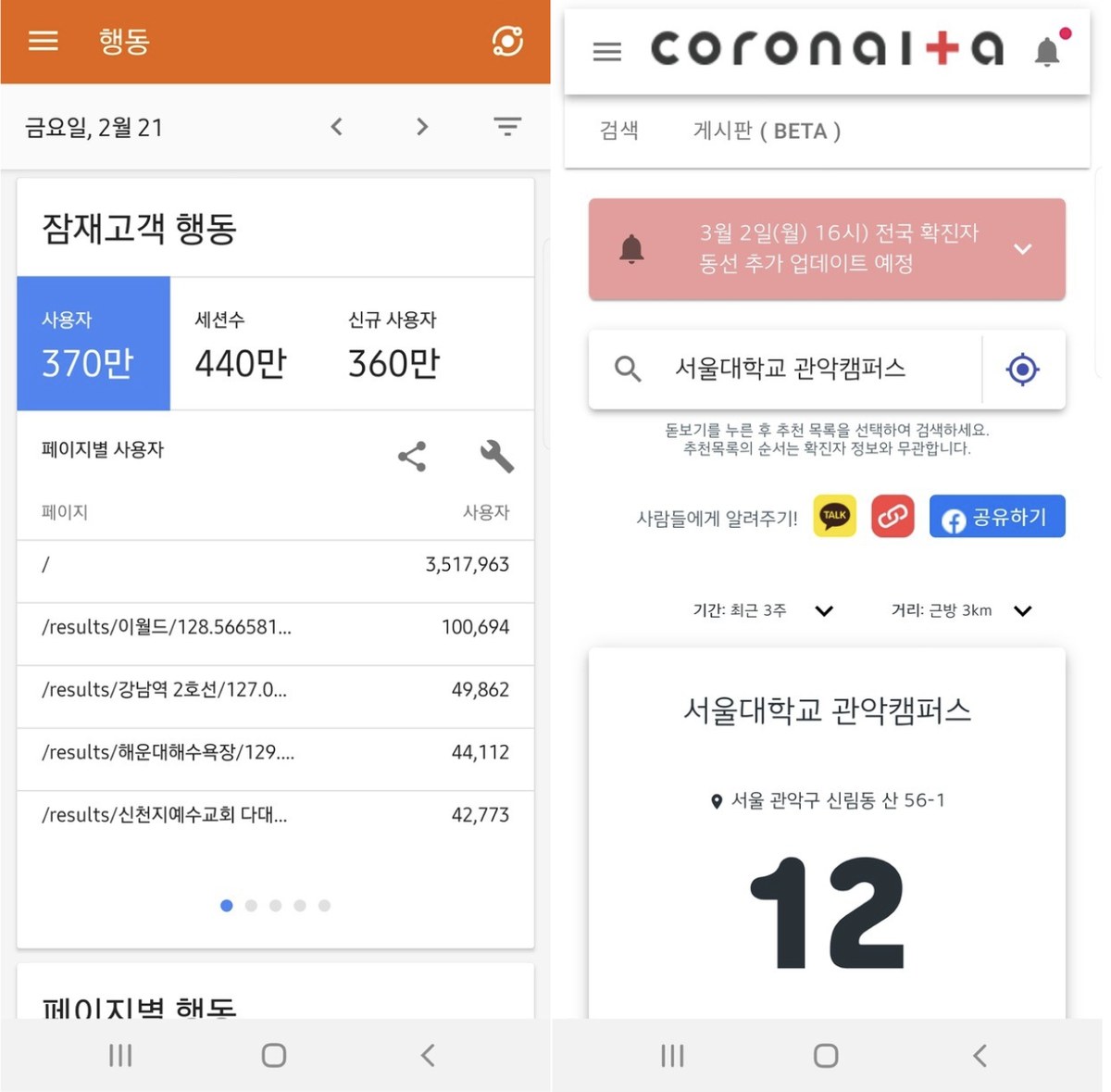
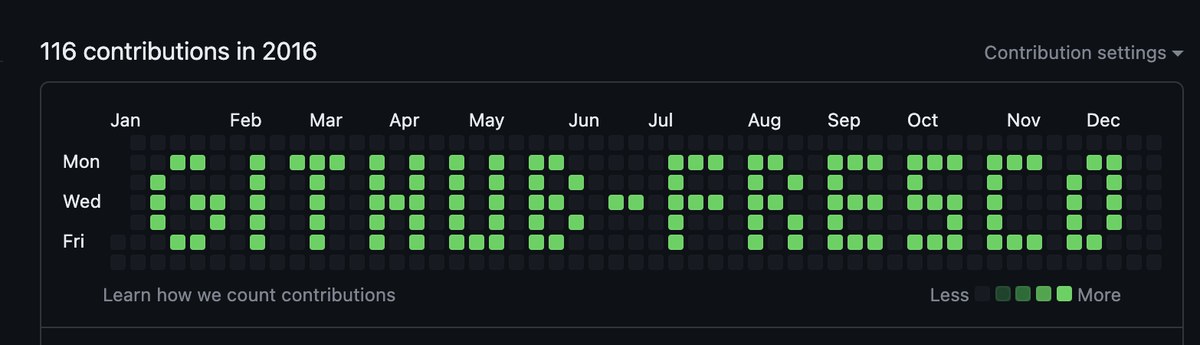
I also made things that were useless but fun.
Then I tried to make something that would actually earn, something people would like and use.
But there was a problem I hadn’t seen coming.
3. Planning matters more than skill
I had the technical skill and none of the ideas. I couldn’t tell what people wanted or liked, or what I could build that they’d want. Sitting there straining at it didn’t produce anything. It was simply a thing I didn’t know how to do, and that threw me.
I’d been sure that if I could build, good products would follow. They didn’t.
I was wrong about that. Building a service means knowing what’s in people’s heads. What they like, what they want. Beyond that, how to persuade them and how to move them.

I knew none of it. I’d never once thought about these questions.
So I had no idea how to make money. A business, meaning a structure that produces money, runs on understanding the world rather than on technical skill. If I wanted a financially free life, I had to learn that.
(For the record, I double majored in business at university, and business school was no help either.)
I couldn’t even work out how to learn it.
Coding was easy to pick up. You only need a handful of the technologies companies actually use. But “what makes someone a businessperson” was a wall. I had no idea where to start or how.
4. If you don’t know it, learn it
Giving up and going back to a company wasn’t an option.
I didn’t want to collect a fixed salary and then be one of the people cut in a row when the company hit trouble.
So I decided to study the basic abilities of someone who runs a business.
Where do you start? With the skills you’ll use most. Thinking, persuasion, psychology, marketing. Knowledge that doesn’t expire.
Listing them out, they came down to two things. The ability to understand the world and the ability to move people. Or: thinking and persuasion.
I quit and read books to study those two.
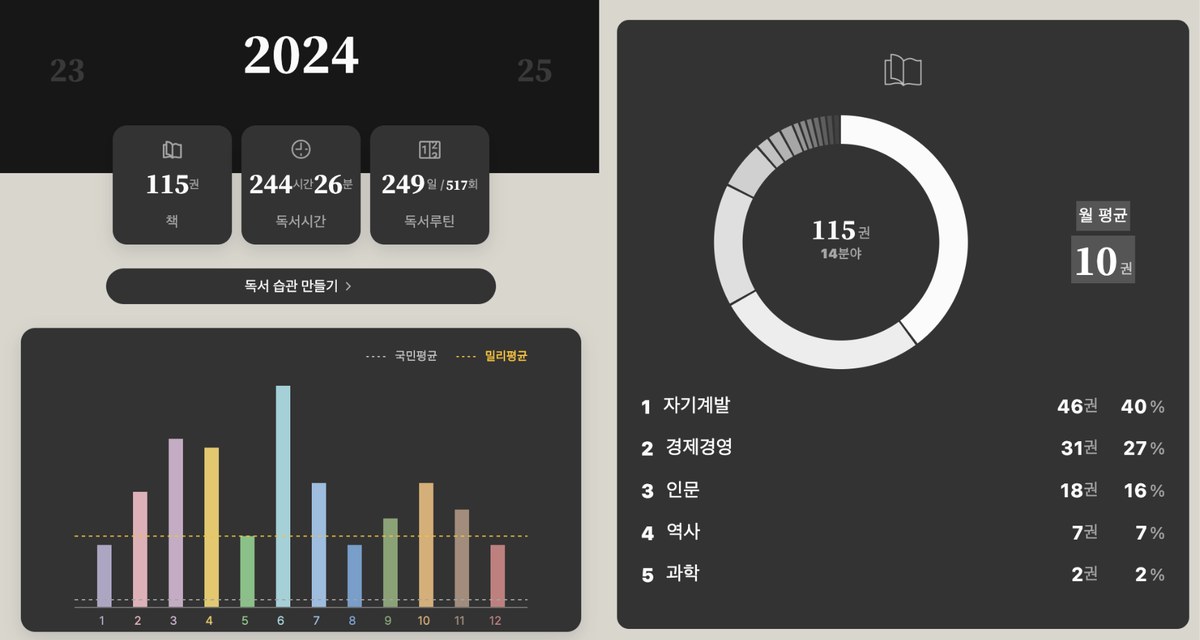 Of course quality of reading matters more than quantity.
That’s how much I got through on Millie’s Library, plus a lot of paper books. Mostly self-help, though I filtered for the ones that were scientific and tested.
But reading alone doesn’t stick. So I wrote out what I learned. And since I was writing anyway, I put it on the blog to share. Everything I’ve posted comes out of that. Look closely and every post is about thinking or persuasion.
5. I write every week
Nobody assigned me this, so it would be easy to let it slide.
Doing a thing when you feel like it and skipping it when you can’t be bothered won’t change the trajectory of your life, which is to say your fate.
So I decided on one post every Sunday
I pick a topic around Thursday, finish it Friday or Saturday, and schedule it to publish. It’s public, so I cite real papers and add pictures to make it easier on the eye. (I think I reference about two books or papers per post.)
The direction shifted a little too. At first I wanted to write my own thoughts. But coming up with a genuinely interesting new thought every week turned out to be hard. So these days I introduce a topic or a concept I’ve been looking into. Plenty of people summarize books, so I add my own research and make something more unusual and more useful.
Topics I’ve covered so far:
-
Decision making: How to decide well, Beating cognitive bias, Circle of competence
-
Persuasion: How persuasion works, Emotion and marketing, The power of a story
-
Relationships: Talking so people like you, Talking so fights shrink
-
Leadership: Building a team that holds together
-
Getting smarter: Reading that makes you smarter, How to write well
What’s coming next:
-
Making better decisions with mental models
-
Why smart people make bad decisions
-
How to pick the most valuable knowledge
6. Was this a good call?
It’s been a year since I started.
So was writing it every week a good decision?
The process, yes. I post publicly and people I know read it, so there’s pressure to write well. That makes me read more. It makes me think harder. I rewrite each post dozens of times. Because of that, the depth and the clarity are far better than in my first posts. My early writing embarrasses me now, and I take that as a sign I’ve grown enough to see what was missing.
The results, less so . Past the posts themselves, it feels like nothing concrete is left. As I keep saying, the point of words and writing is to change the world. And I’m not sure I’m doing it.
If this were cooking, I’ve prepped the ingredients and never finished the dish.

So in 2025 I want to try things beyond writing.
I want to build actual services and products, tangible or not.
The Sunday posts continue, barring anything major.
Thank you, as always, for reading.
Next week: whether the world is complicated, and what that means.
Want practical tips that make you a little smarter every week?
I cover persuasion, marketing, writing, and the other skills modern life demands.
Subscribe now and get notified when a new post goes up!
You might like these too!